Adidas
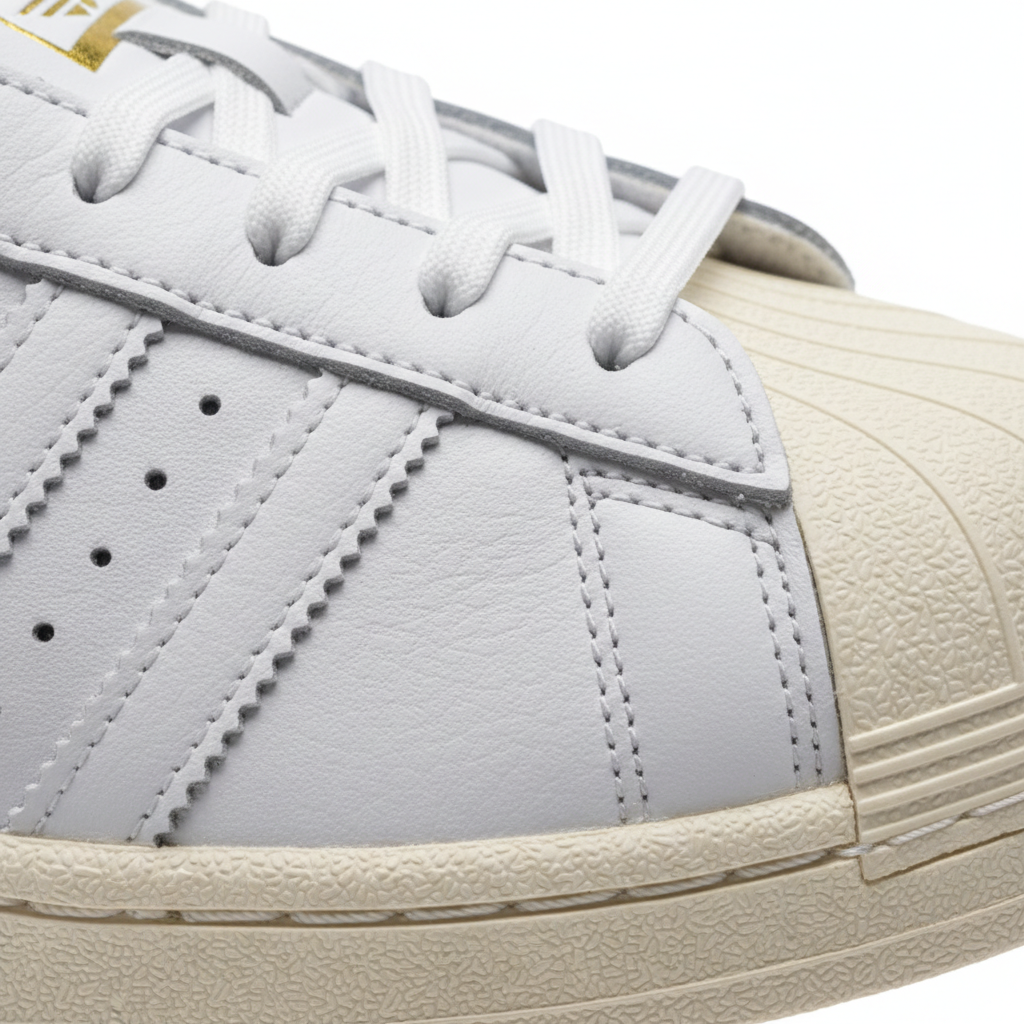
Stitching and Construction
Genuine stitching is laser-straight and consistent throughout. Check the lateral seam — it runs perfectly parallel with no wavering. Fakes often show wavy, uneven stitching with gaps between seams. The stitching thread is tight and reinforced at stress points.
Source: Compiled from footwear care and authentication industry references
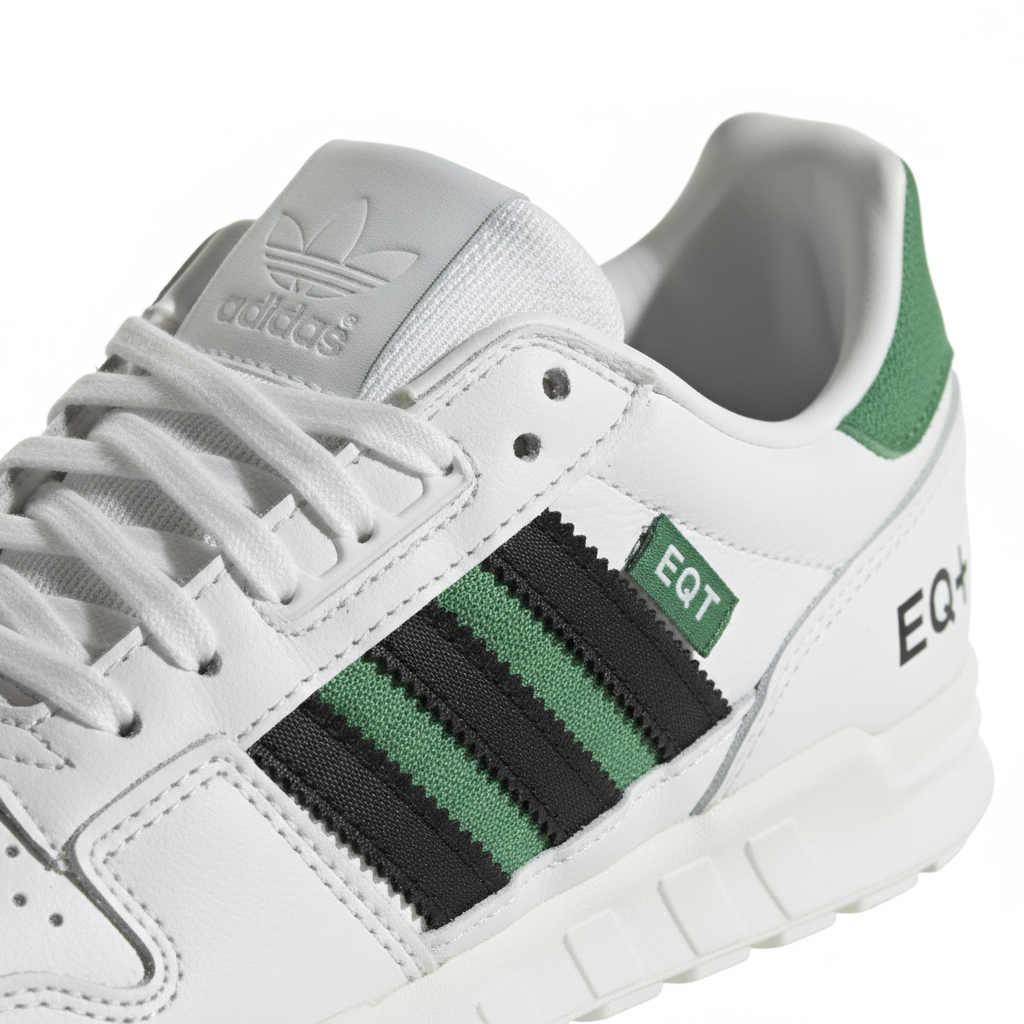
Logo and Branding
The logo must be perfectly symmetrical with clean, sharp lines. Text is sharp and crisp with uniform letter spacing. Fakes have blurry logos, wonky curves, and fuzzy text. Check any embossed logos — authentic pairs have consistent depth and clarity.
Source: Compiled from footwear care and authentication industry references
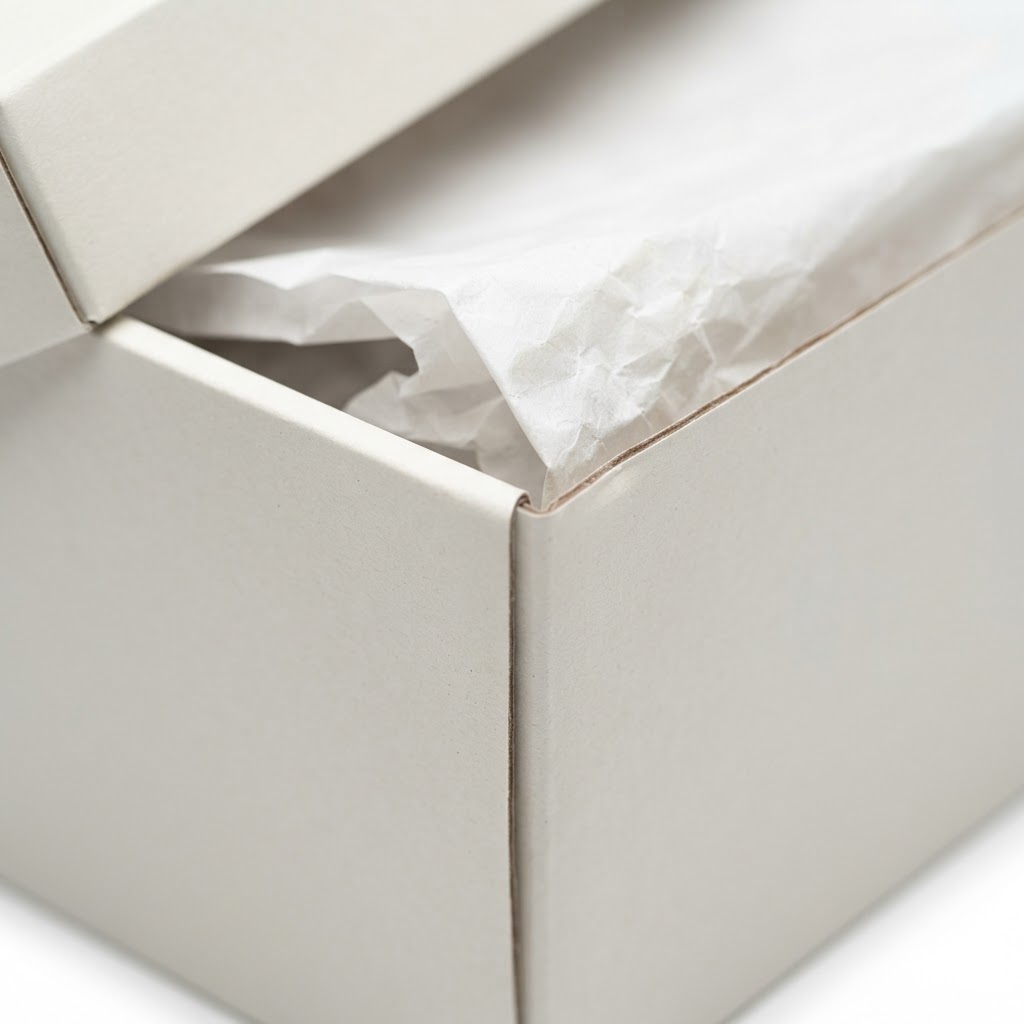
Box and Packaging
Authentic boxes have thick, rigid cardboard with pristine printing. The label is perfectly centered with no misprints. Fakes use thin, flimsy boxes with misaligned labels and cheap printing quality. The barcode and QR code alignment is always precise on authentic pairs.
Source: Compiled from footwear care and authentication industry references
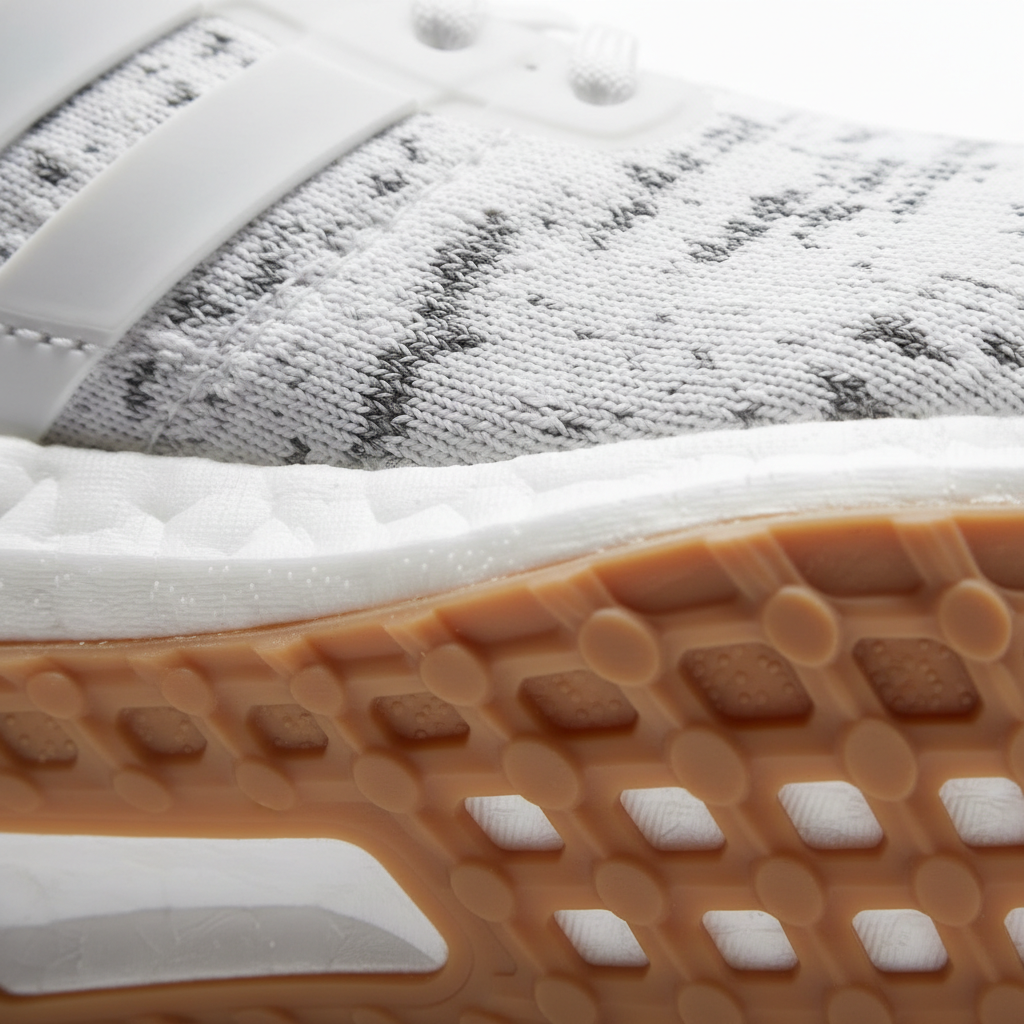
Materials and Sole
Real materials are soft and supple, breaking in naturally. The midsole is firm with consistent density. Fakes use stiff, plastic-feeling synthetic materials and weak, compressible soles. Check the glue seam — it is invisible on authentic pairs.
Source: Compiled from footwear care and authentication industry references
Asics
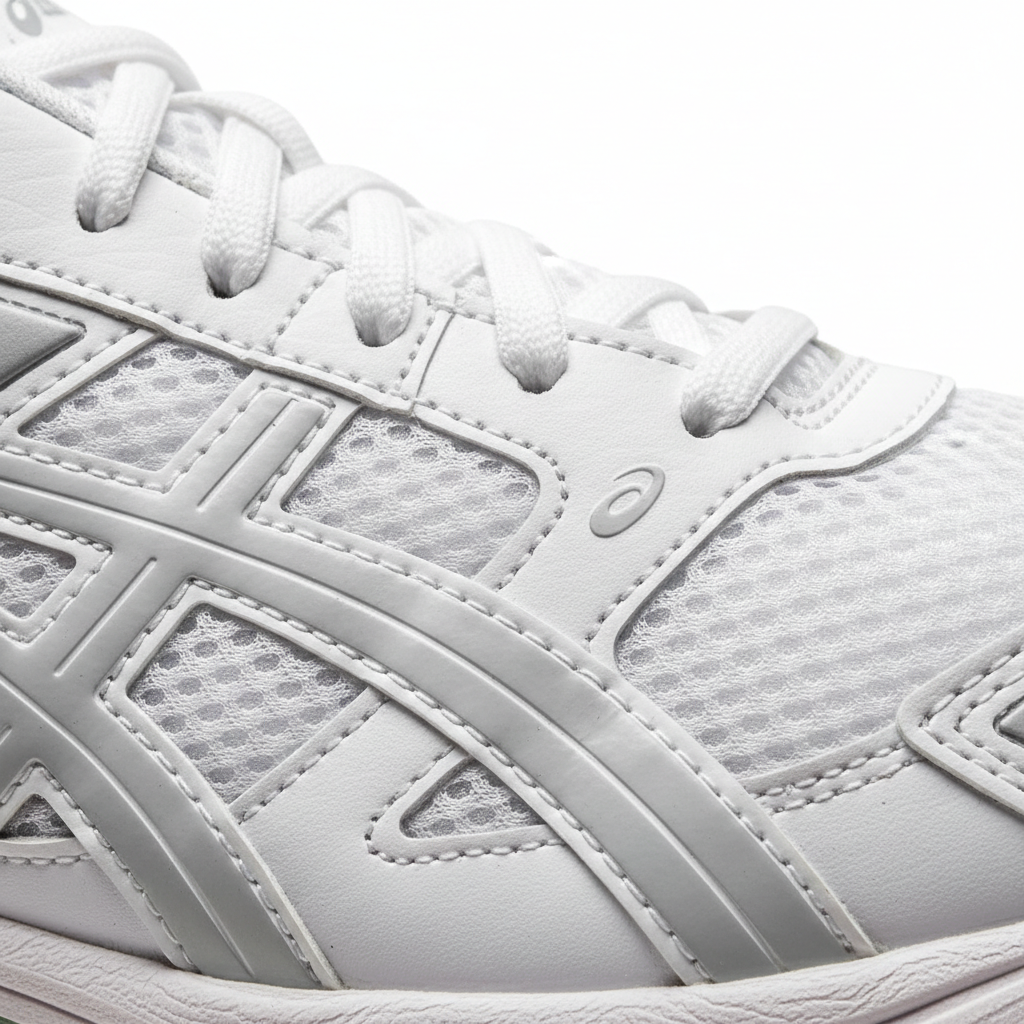
Stitching and Construction
Genuine stitching is laser-straight and consistent throughout. Check the lateral seam — it runs perfectly parallel with no wavering. Fakes often show wavy, uneven stitching with gaps between seams. The stitching thread is tight and reinforced at stress points.
Source: Compiled from footwear care and authentication industry references
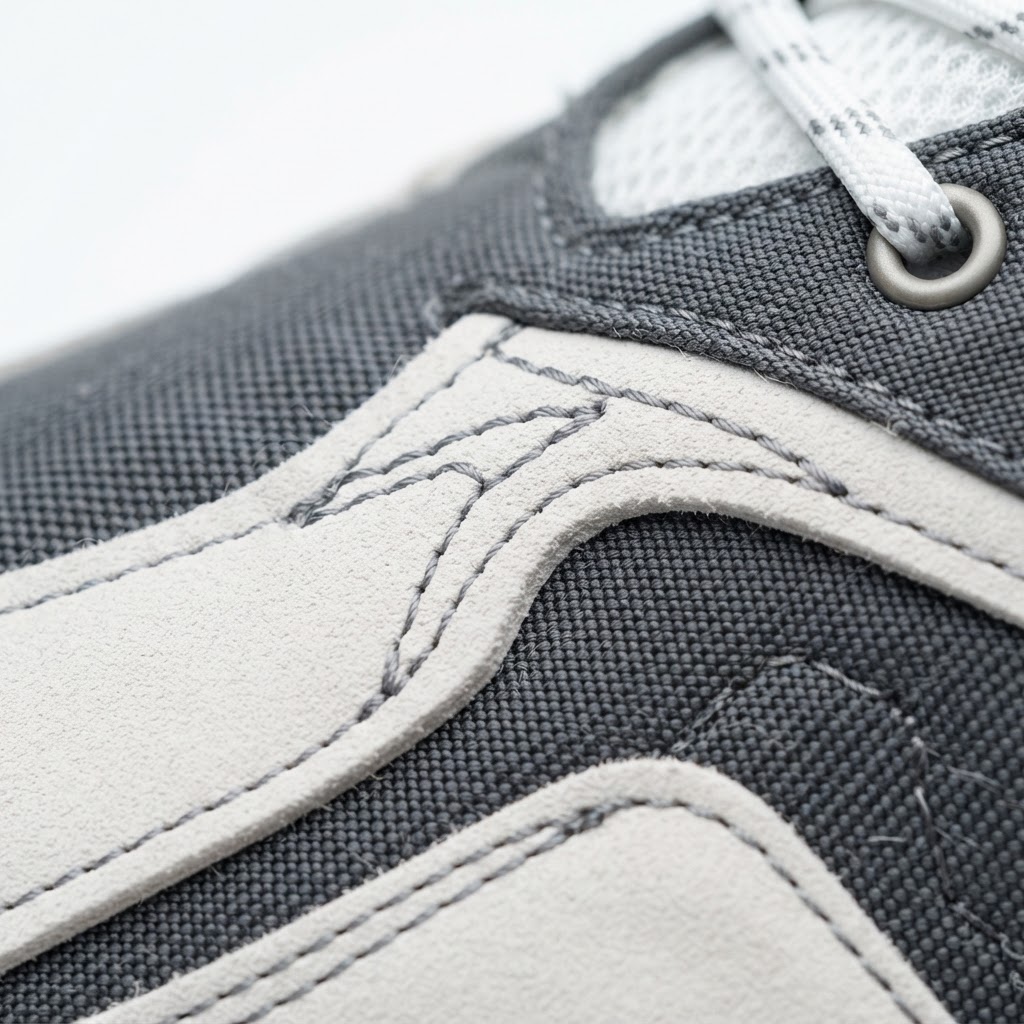
Logo and Branding
The logo must be perfectly symmetrical with clean, sharp lines. Text is sharp and crisp with uniform letter spacing. Fakes have blurry logos, wonky curves, and fuzzy text. Check any embossed logos — authentic pairs have consistent depth and clarity.
Source: Compiled from footwear care and authentication industry references
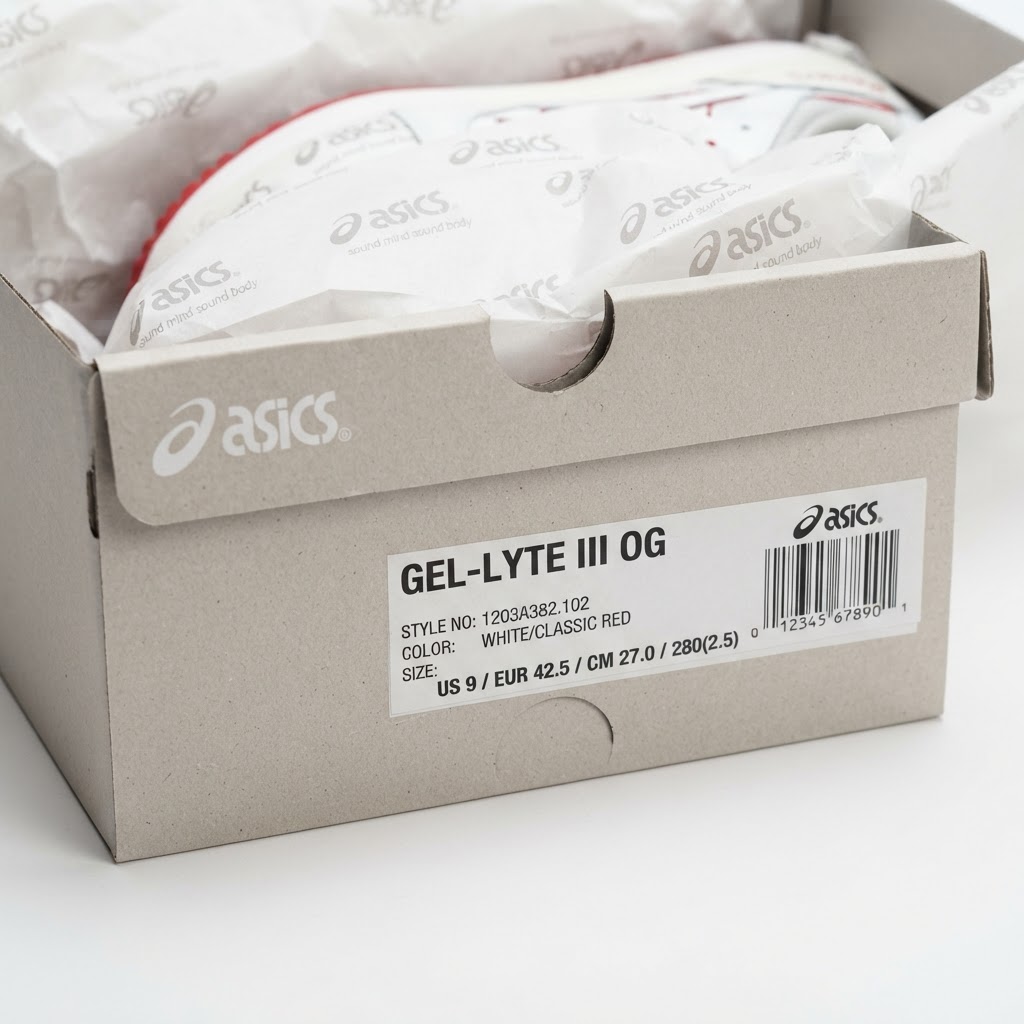
Box and Packaging
Authentic boxes have thick, rigid cardboard with pristine printing. The label is perfectly centered with no misprints. Fakes use thin, flimsy boxes with misaligned labels and cheap printing quality. The barcode and QR code alignment is always precise on authentic pairs.
Source: Compiled from footwear care and authentication industry references
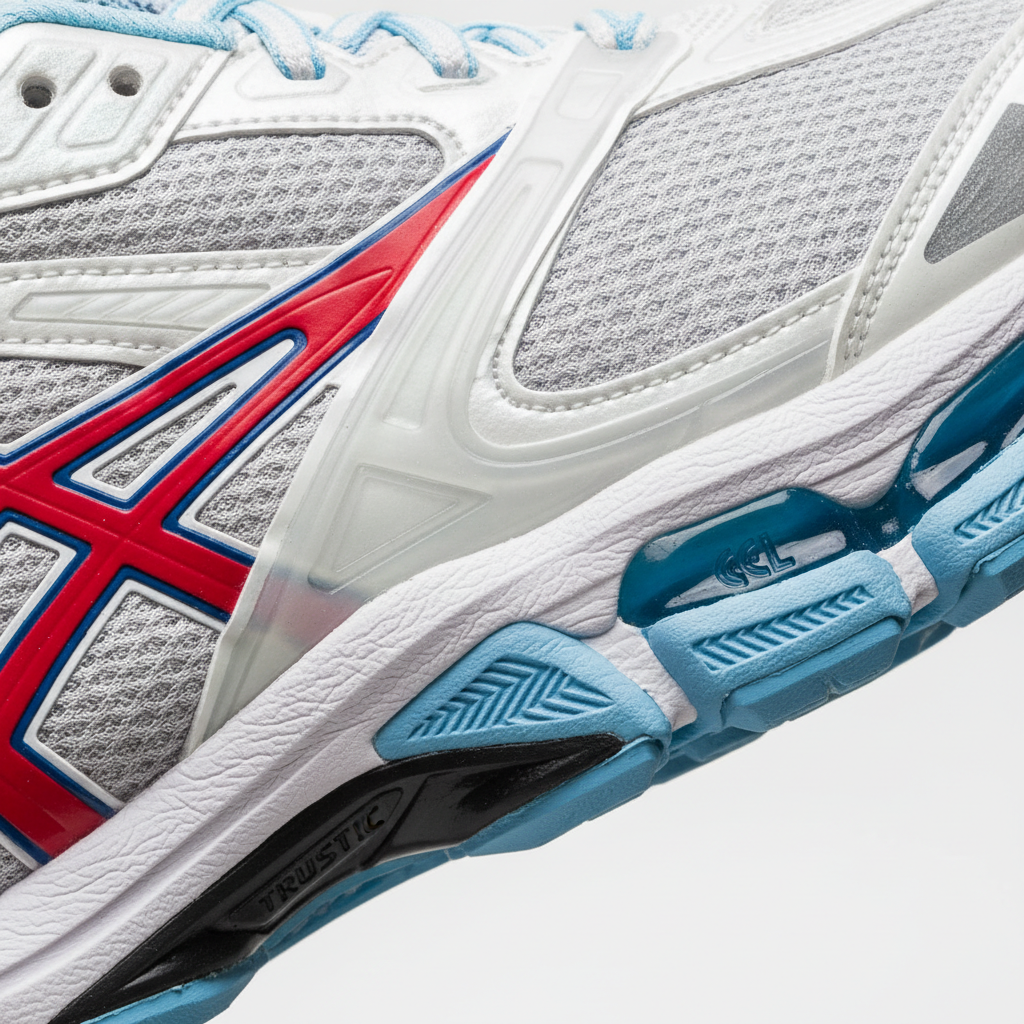
Materials and Sole
Real materials are soft and supple, breaking in naturally. The midsole is firm with consistent density. Fakes use stiff, plastic-feeling synthetic materials and weak, compressible soles. Check the glue seam — it is invisible on authentic pairs.
Source: Compiled from footwear care and authentication industry references
Balenciaga
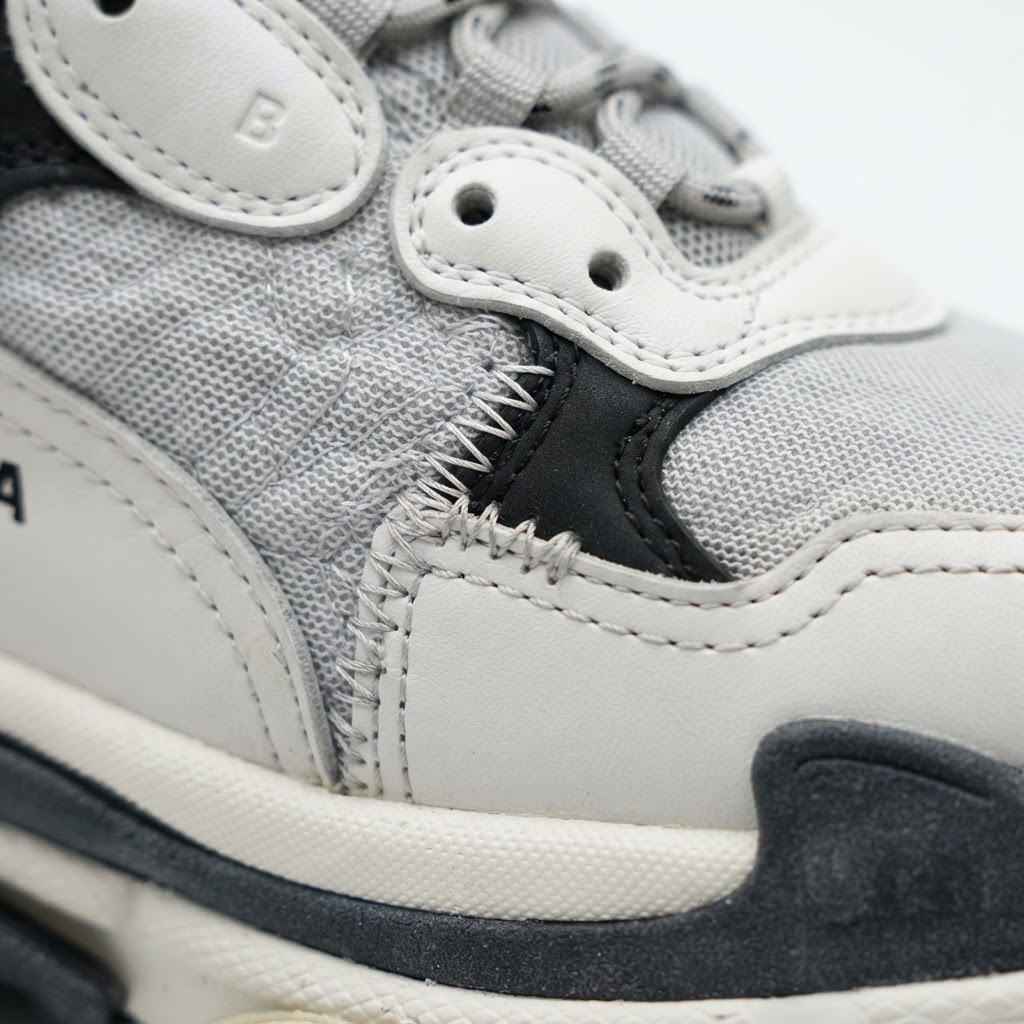
Stitching and Construction
Genuine stitching is laser-straight and consistent throughout. Check the lateral seam — it runs perfectly parallel with no wavering. Fakes often show wavy, uneven stitching with gaps between seams. The stitching thread is tight and reinforced at stress points.
Source: Balenciaga.com — authentication guide
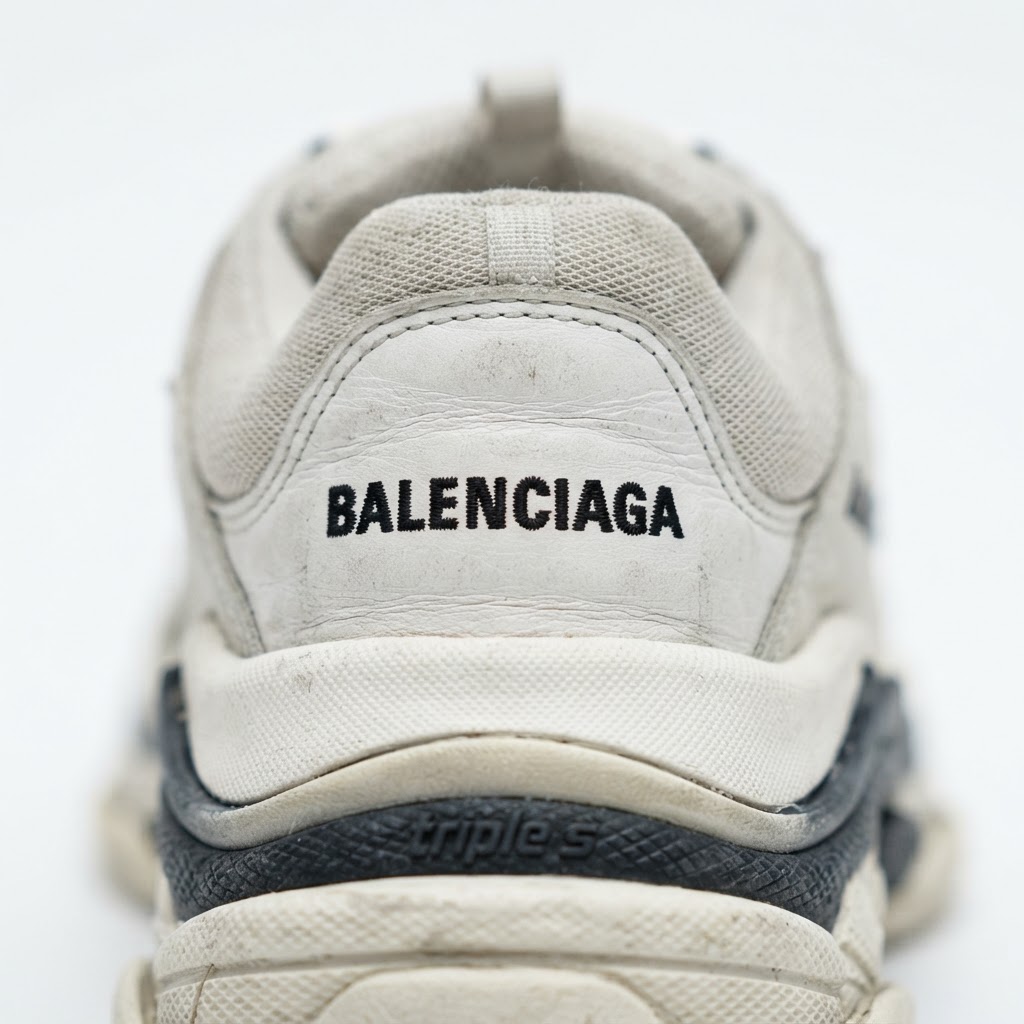
Logo and Branding
The logo must be perfectly symmetrical with clean, sharp lines. Text is sharp and crisp with uniform letter spacing. Fakes have blurry logos, wonky curves, and fuzzy text. Check any embossed logos — authentic pairs have consistent depth and clarity.
Source: Balenciaga.com — authentication guide
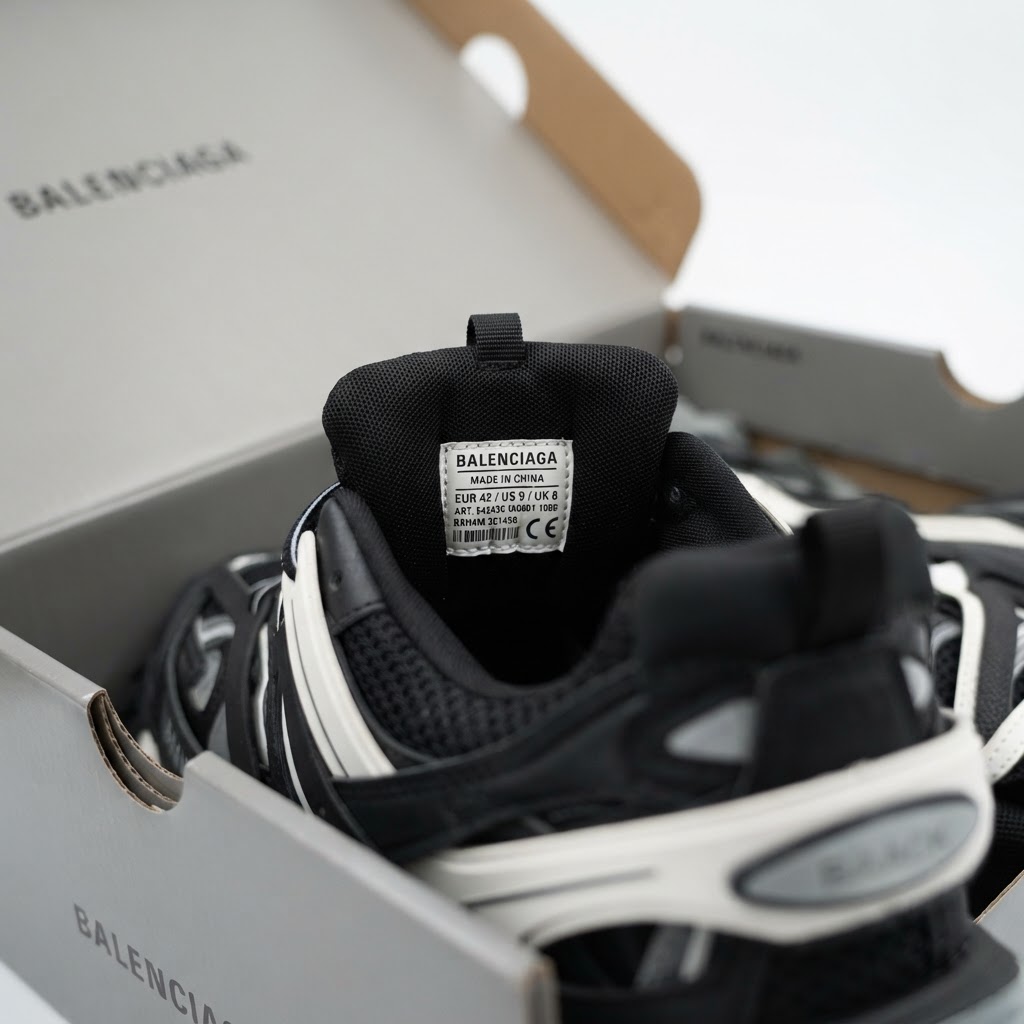
Box and Packaging
Authentic boxes have thick, rigid cardboard with pristine printing. The label is perfectly centered with no misprints. Fakes use thin, flimsy boxes with misaligned labels and cheap printing quality. The barcode and QR code alignment is always precise on authentic pairs.
Source: Balenciaga.com — authentication guide
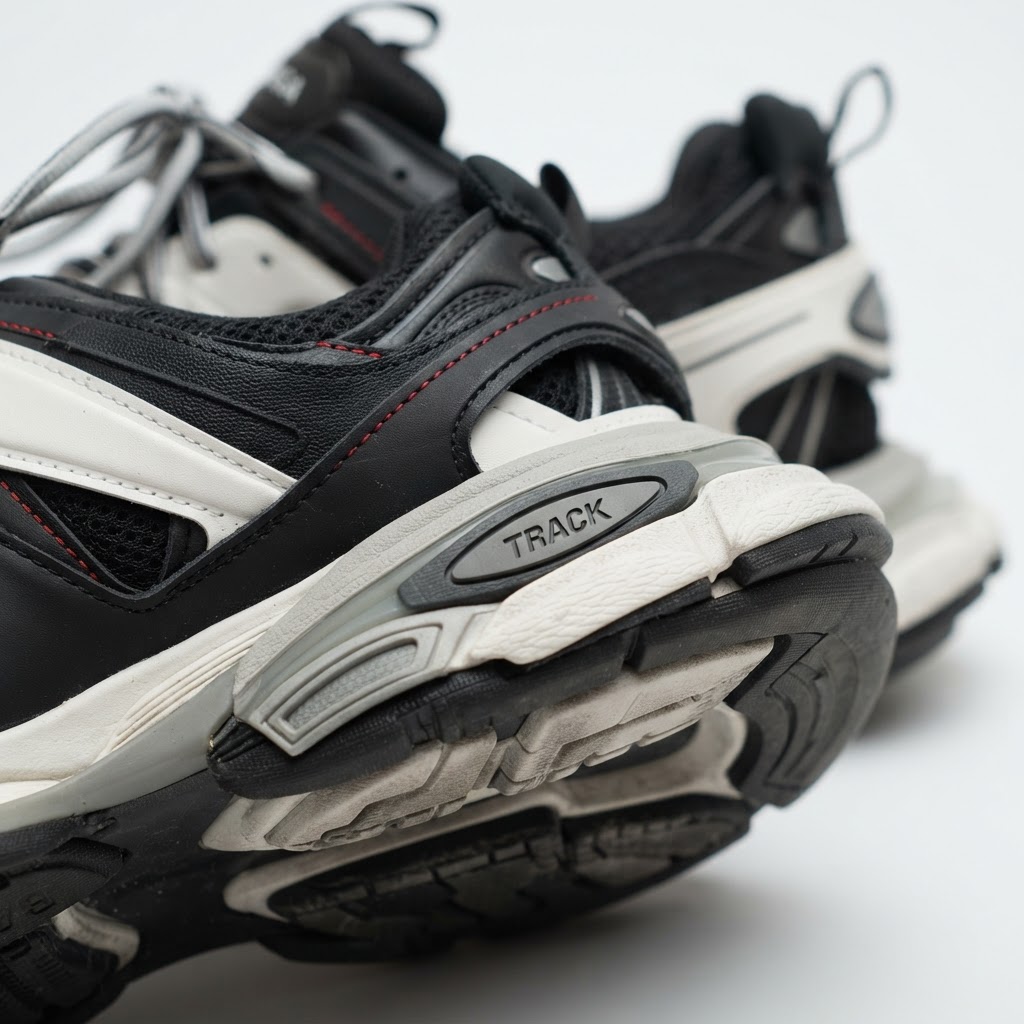
Materials and Sole
Real materials are soft and supple, breaking in naturally. The midsole is firm with consistent density. Fakes use stiff, plastic-feeling synthetic materials and weak, compressible soles. Check the glue seam — it is invisible on authentic pairs.
Source: Balenciaga.com — authentication guide
Converse
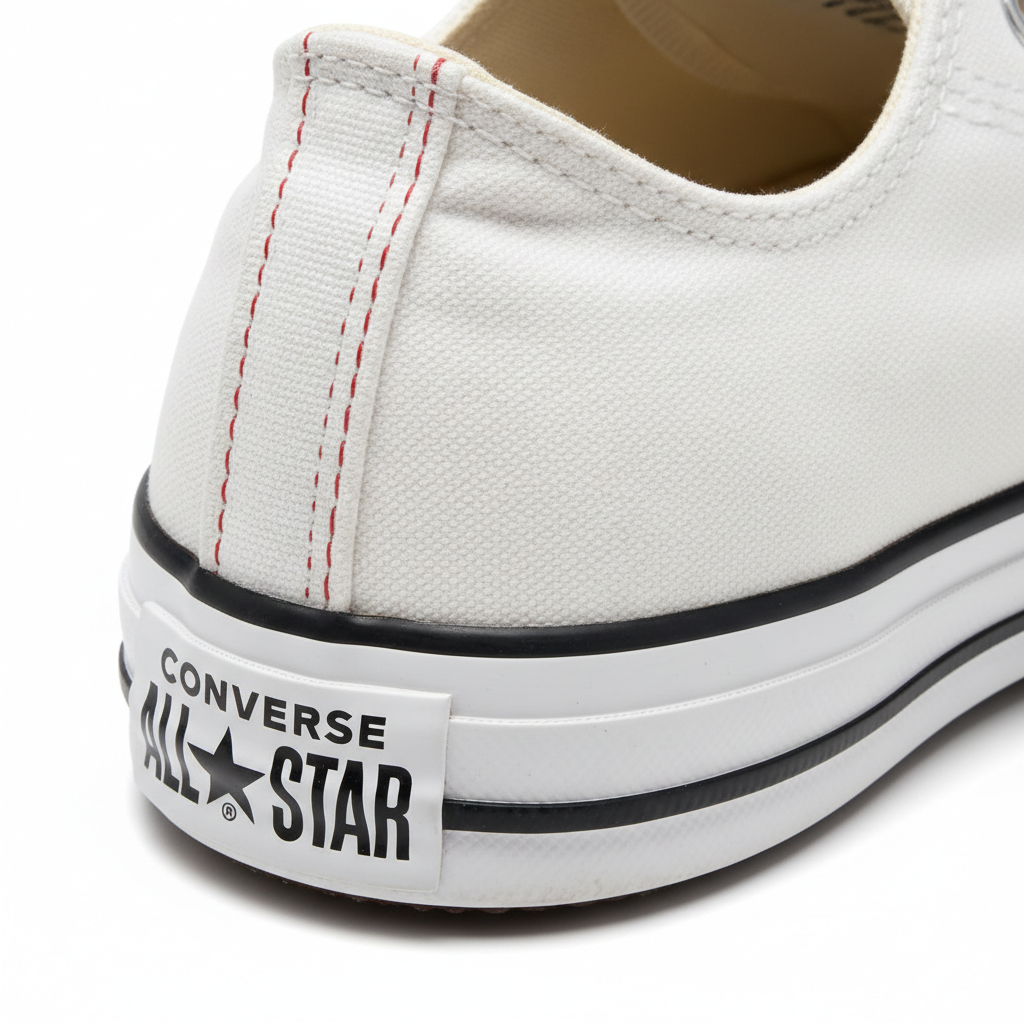
Stitching and Construction
Genuine stitching is laser-straight and consistent throughout. Check the lateral seam — it runs perfectly parallel with no wavering. Fakes often show wavy, uneven stitching with gaps between seams. The stitching thread is tight and reinforced at stress points.
Source: Compiled from footwear care and authentication industry references
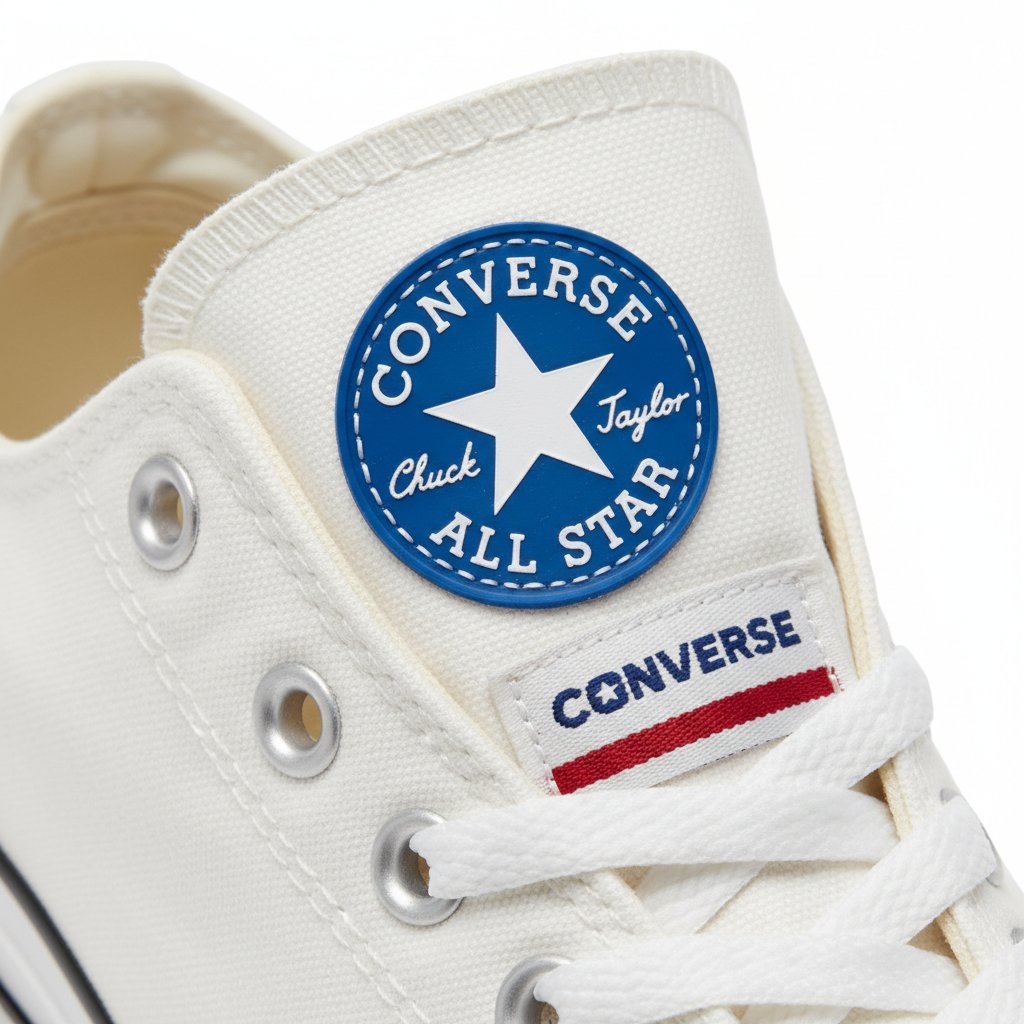
Logo and Branding
The logo must be perfectly symmetrical with clean, sharp lines. Text is sharp and crisp with uniform letter spacing. Fakes have blurry logos, wonky curves, and fuzzy text. Check any embossed logos — authentic pairs have consistent depth and clarity.
Source: Compiled from footwear care and authentication industry references
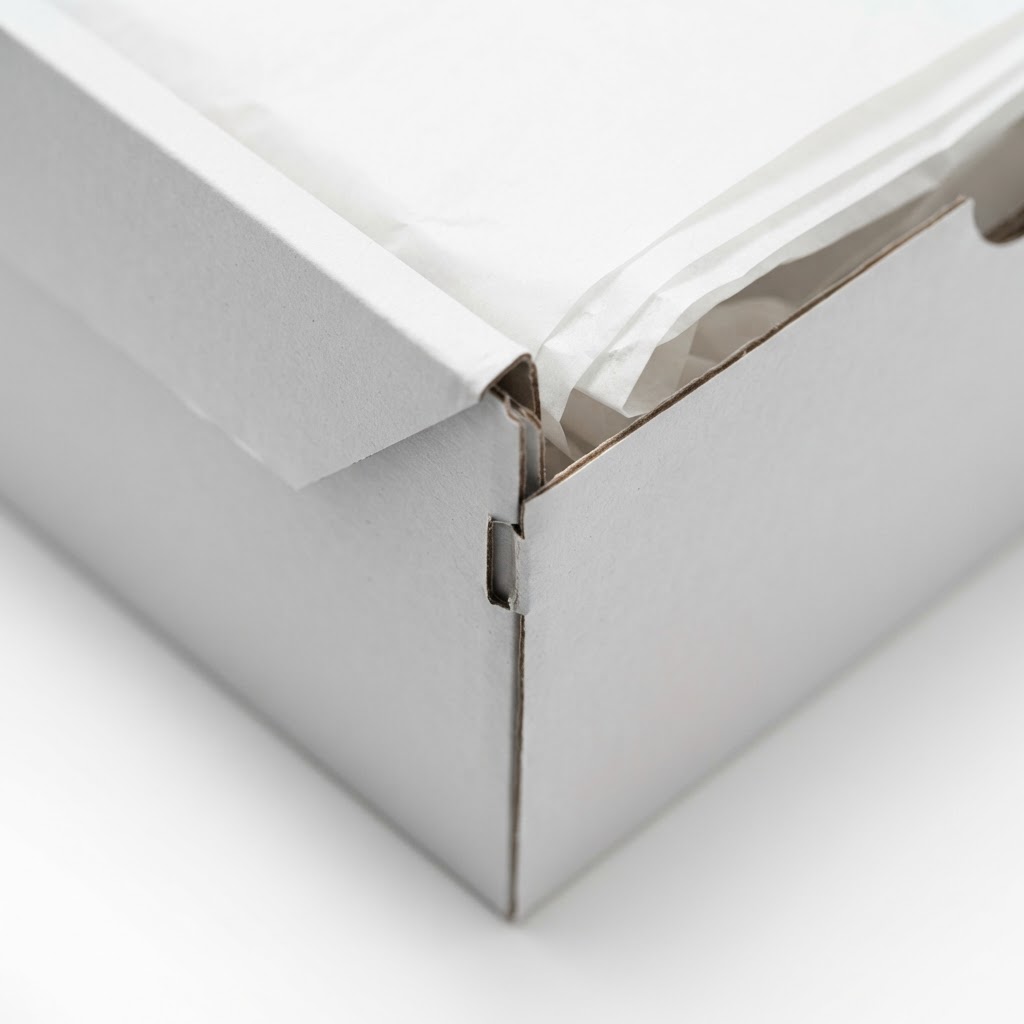
Box and Packaging
Authentic boxes have thick, rigid cardboard with pristine printing. The label is perfectly centered with no misprints. Fakes use thin, flimsy boxes with misaligned labels and cheap printing quality. The barcode and QR code alignment is always precise on authentic pairs.
Source: Compiled from footwear care and authentication industry references
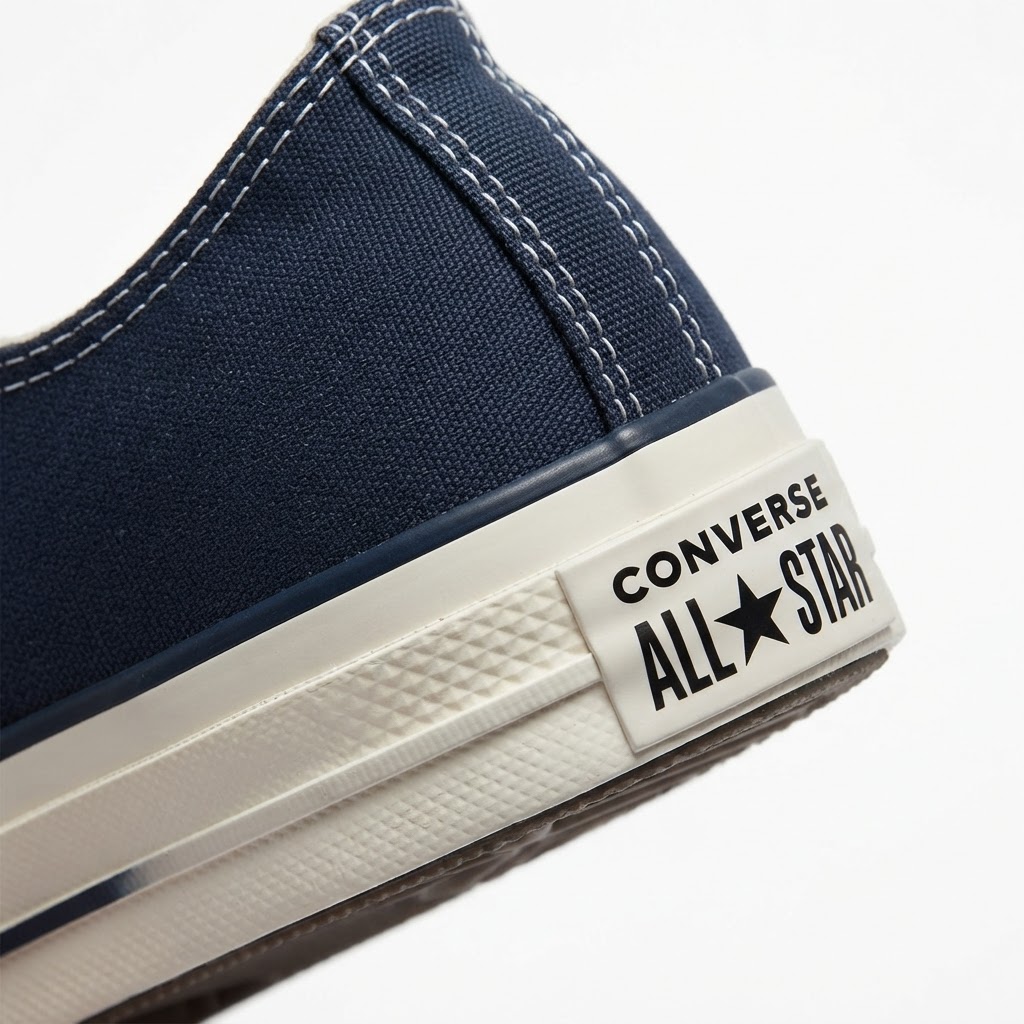
Materials and Sole
Real materials are soft and supple, breaking in naturally. The midsole is firm with consistent density. Fakes use stiff, plastic-feeling synthetic materials and weak, compressible soles. Check the glue seam — it is invisible on authentic pairs.
Source: Compiled from footwear care and authentication industry references
Fila
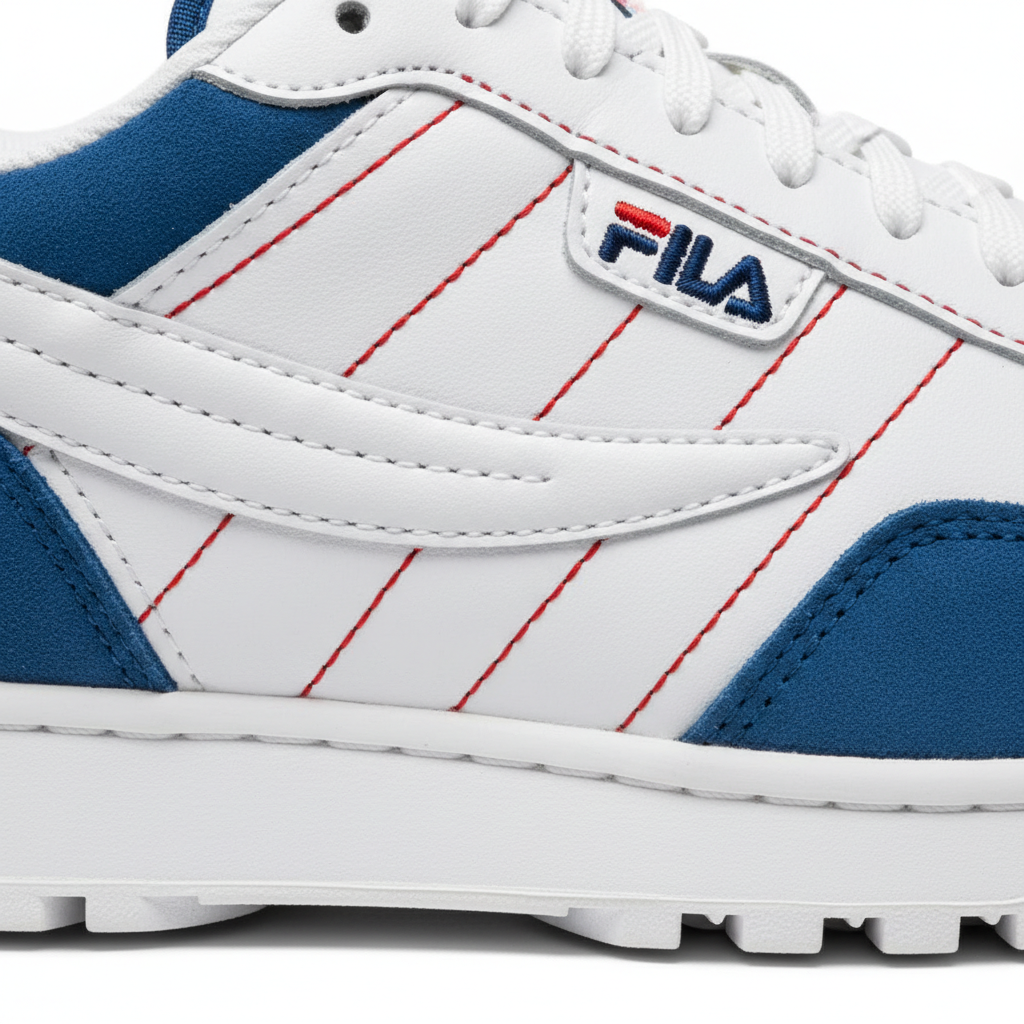
Stitching and Construction
Genuine stitching is laser-straight and consistent throughout. Check the lateral seam — it runs perfectly parallel with no wavering. Fakes often show wavy, uneven stitching with gaps between seams. The stitching thread is tight and reinforced at stress points.
Source: Compiled from footwear care and authentication industry references
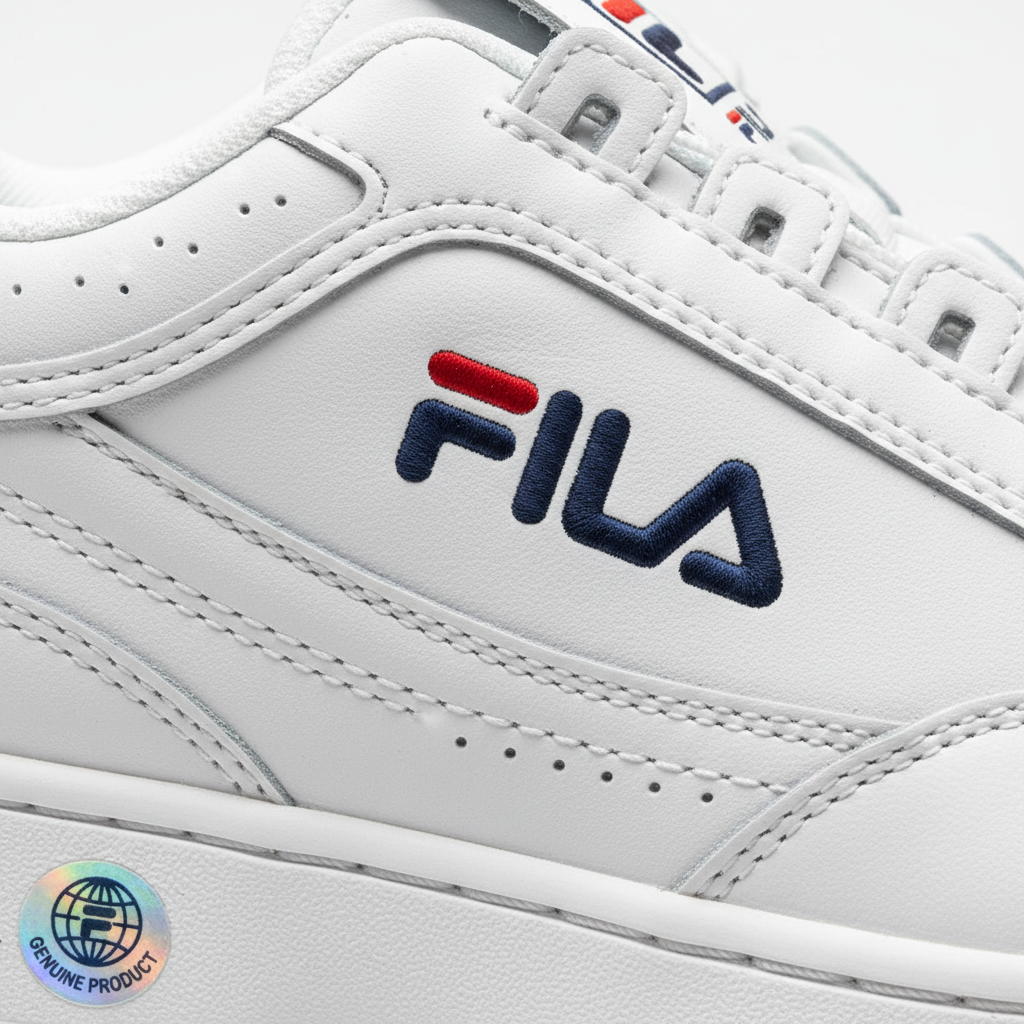
Logo and Branding
The logo must be perfectly symmetrical with clean, sharp lines. Text is sharp and crisp with uniform letter spacing. Fakes have blurry logos, wonky curves, and fuzzy text. Check any embossed logos — authentic pairs have consistent depth and clarity.
Source: Compiled from footwear care and authentication industry references
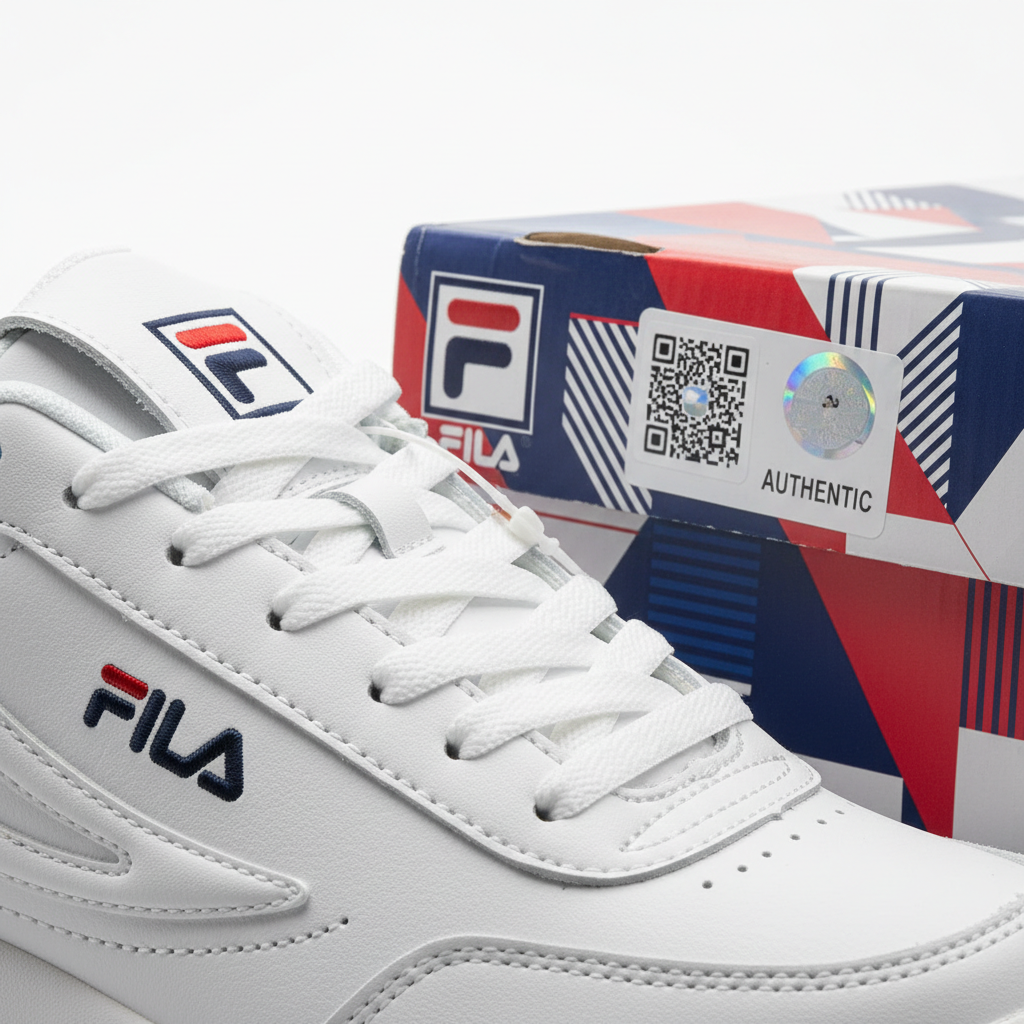
Box and Packaging
Authentic boxes have thick, rigid cardboard with pristine printing. The label is perfectly centered with no misprints. Fakes use thin, flimsy boxes with misaligned labels and cheap printing quality. The barcode and QR code alignment is always precise on authentic pairs.
Source: Compiled from footwear care and authentication industry references
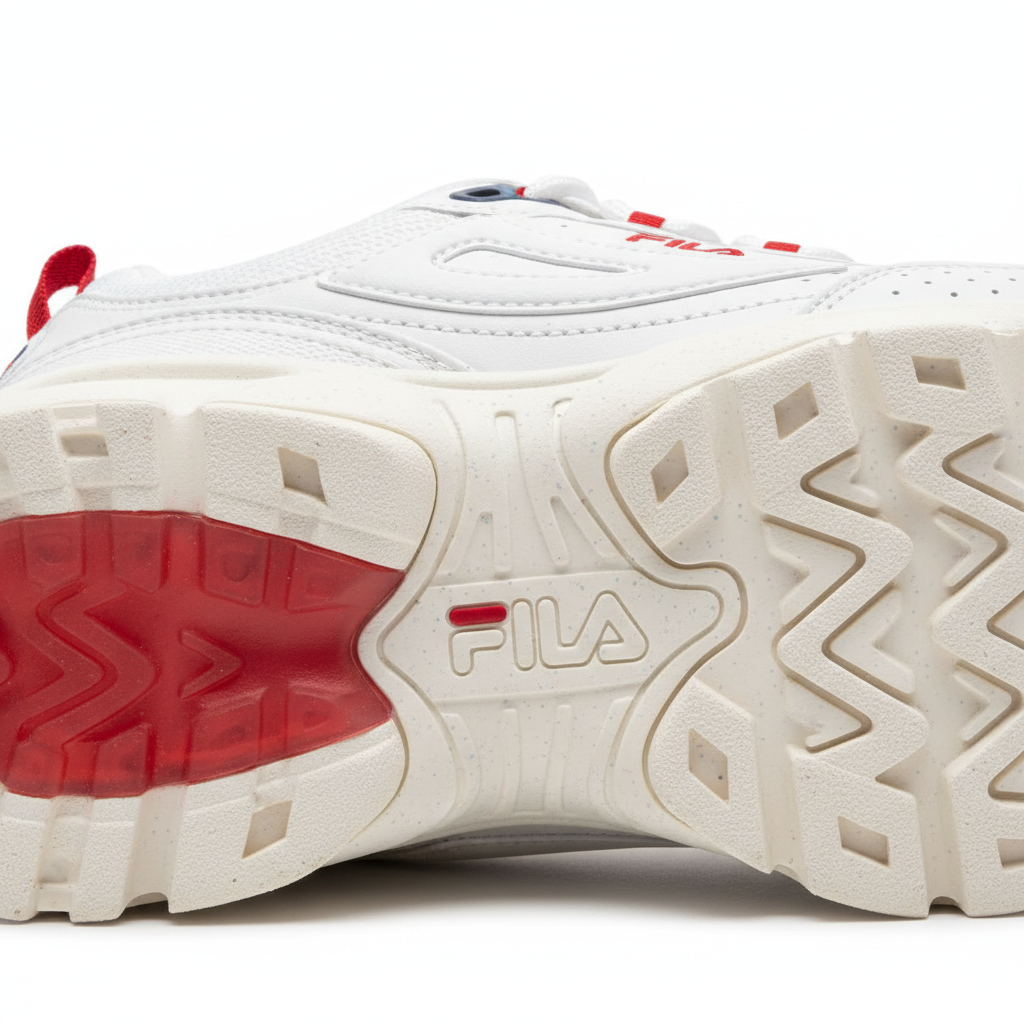
Materials and Sole
Real materials are soft and supple, breaking in naturally. The midsole is firm with consistent density. Fakes use stiff, plastic-feeling synthetic materials and weak, compressible soles. Check the glue seam — it is invisible on authentic pairs.
Source: Compiled from footwear care and authentication industry references
Jordan
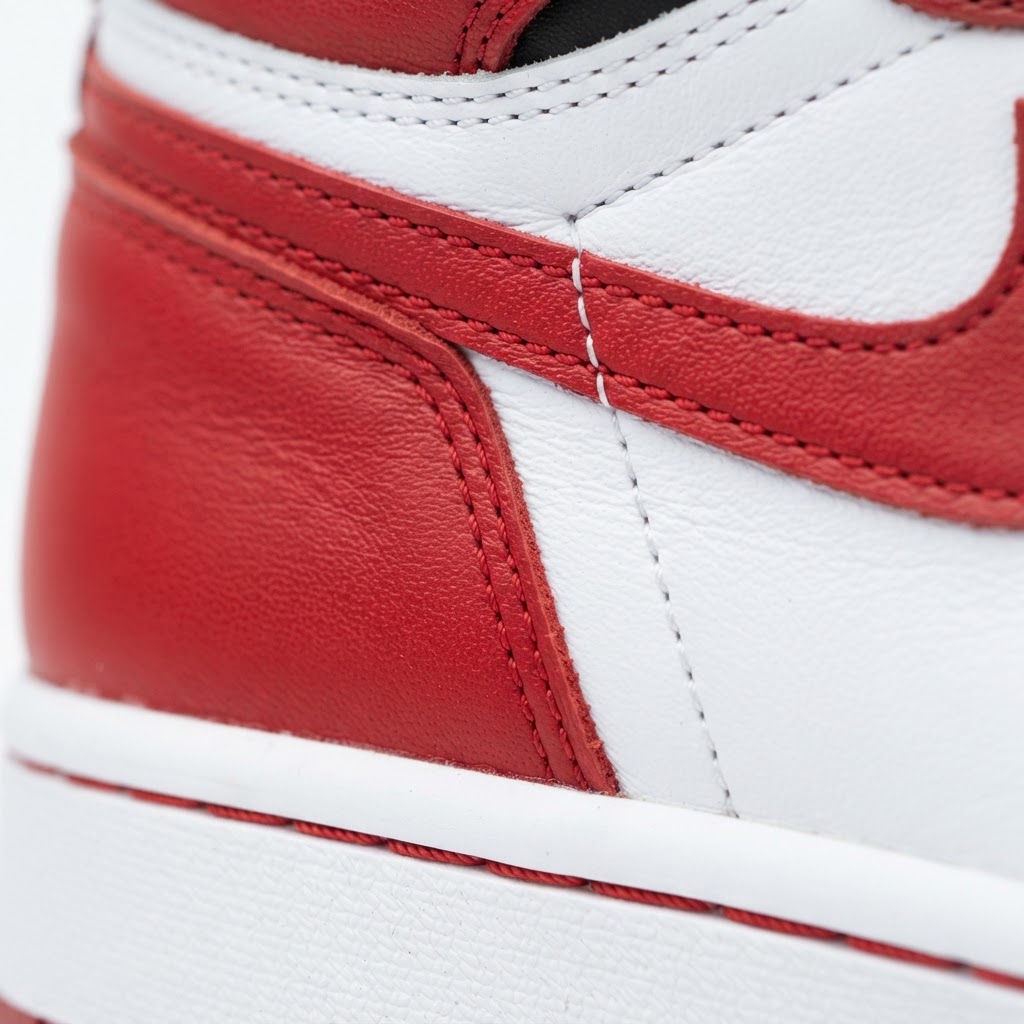
Stitching and Construction
Genuine stitching is laser-straight and consistent throughout. Check the lateral seam — it runs perfectly parallel with no wavering. Fakes often show wavy, uneven stitching with gaps between seams. The stitching thread is tight and reinforced at stress points.
Source: Compiled from footwear care and authentication industry references
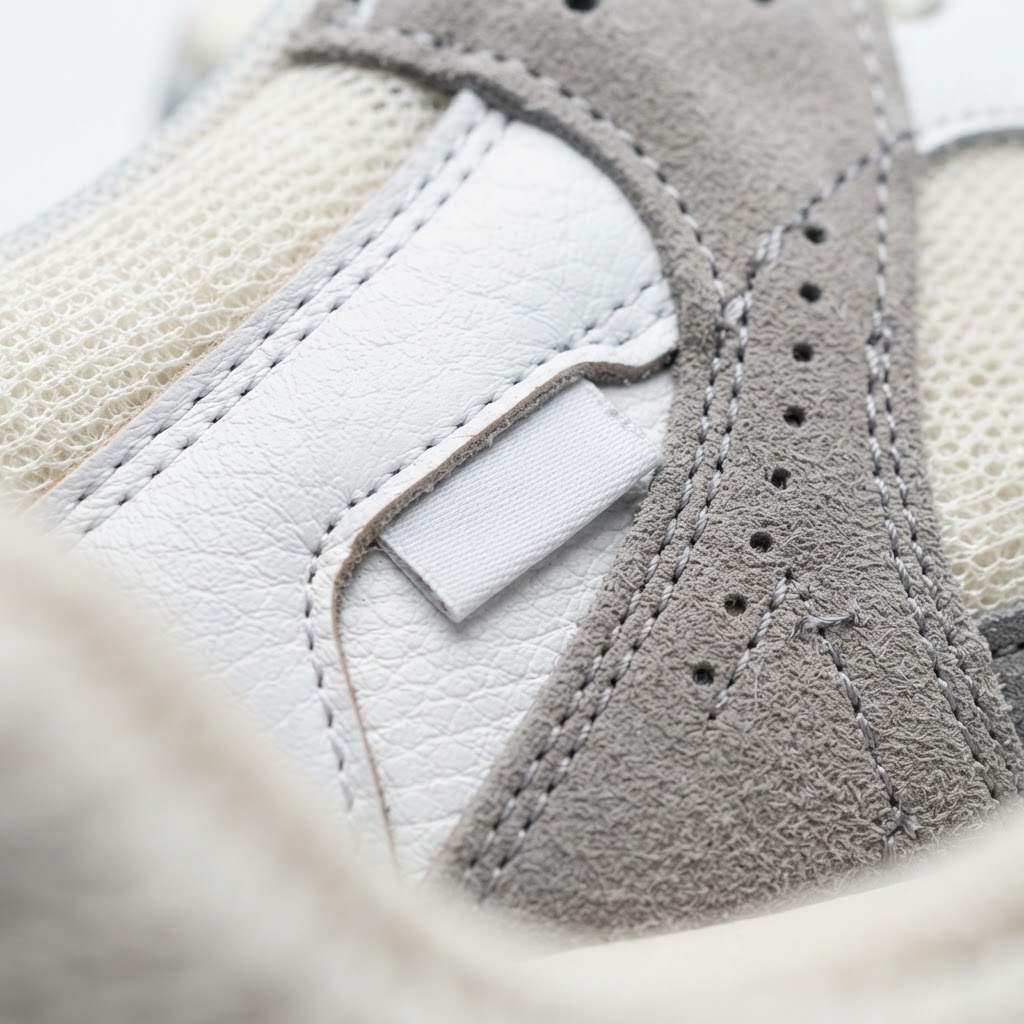
Logo and Branding
The logo must be perfectly symmetrical with clean, sharp lines. Text is sharp and crisp with uniform letter spacing. Fakes have blurry logos, wonky curves, and fuzzy text. Check any embossed logos — authentic pairs have consistent depth and clarity.
Source: Compiled from footwear care and authentication industry references
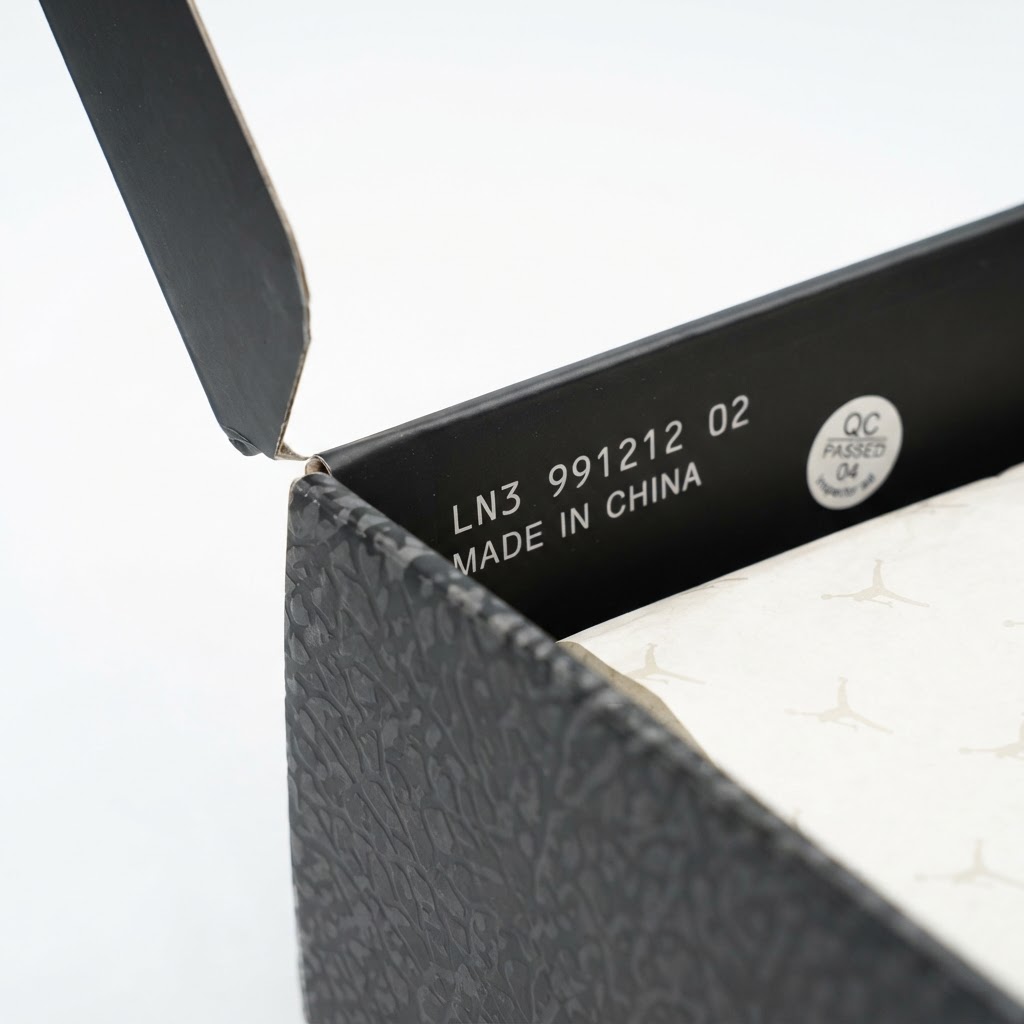
Box and Packaging
Authentic boxes have thick, rigid cardboard with pristine printing. The label is perfectly centered with no misprints. Fakes use thin, flimsy boxes with misaligned labels and cheap printing quality. The barcode and QR code alignment is always precise on authentic pairs.
Source: Compiled from footwear care and authentication industry references
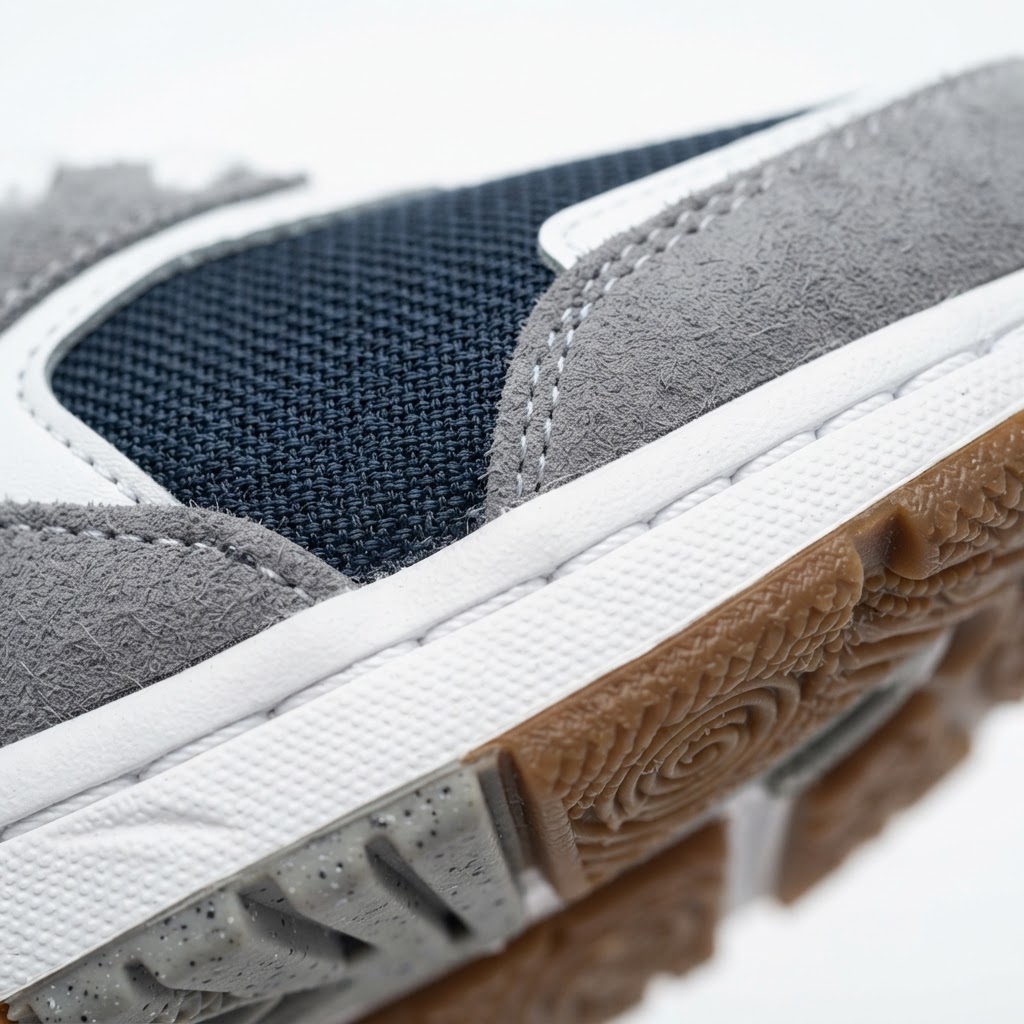
Materials and Sole
Real materials are soft and supple, breaking in naturally. The midsole is firm with consistent density. Fakes use stiff, plastic-feeling synthetic materials and weak, compressible soles. Check the glue seam — it is invisible on authentic pairs.
Source: Compiled from footwear care and authentication industry references
New Balance
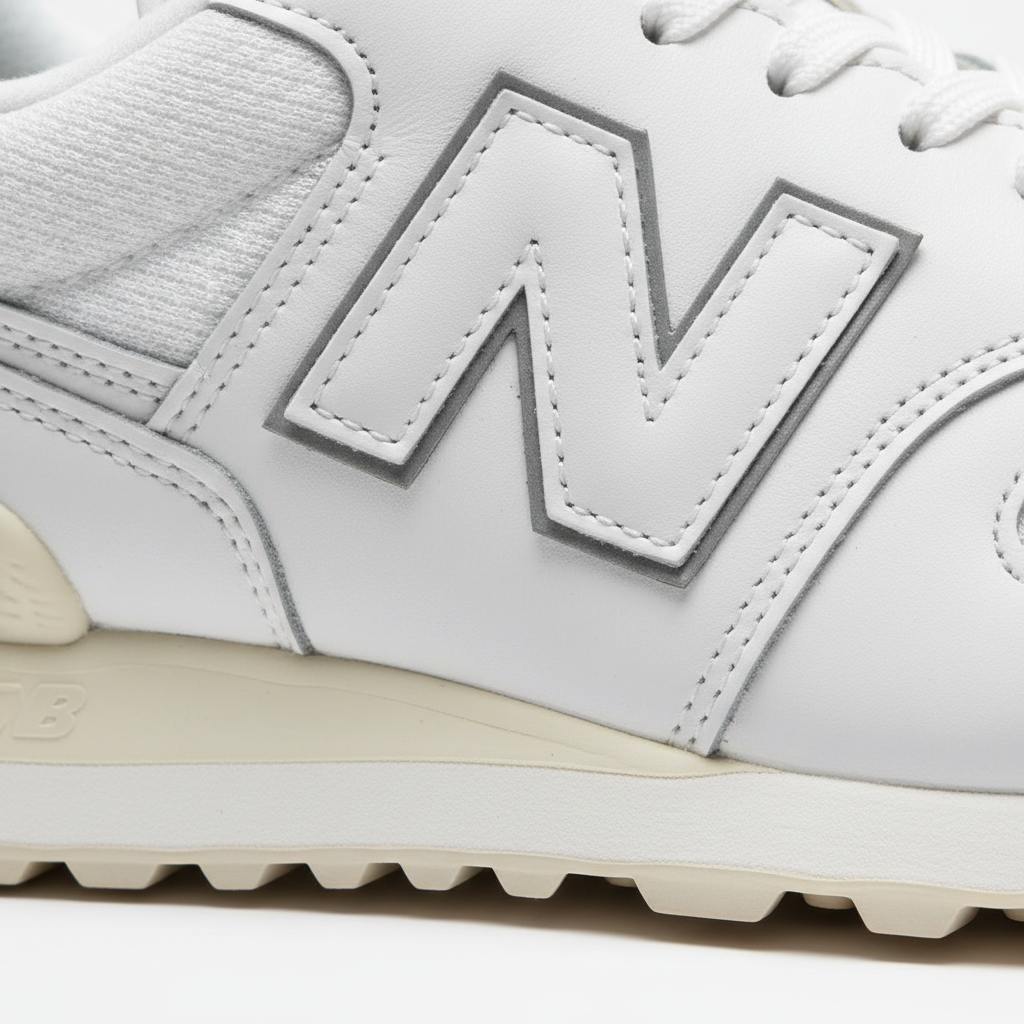
Stitching and Construction
Genuine stitching is laser-straight and consistent throughout. Check the lateral seam — it runs perfectly parallel with no wavering. Fakes often show wavy, uneven stitching with gaps between seams. The stitching thread is tight and reinforced at stress points.
Source: Compiled from footwear care and authentication industry references
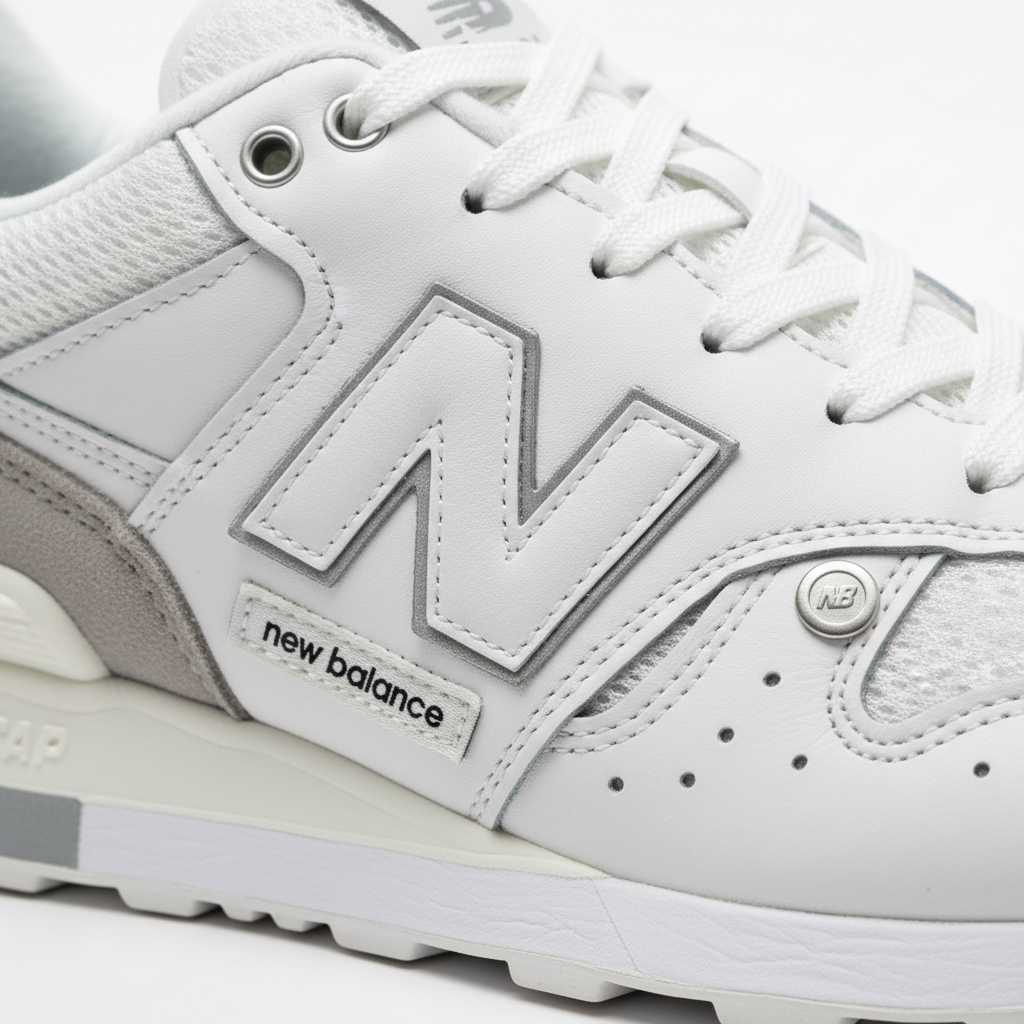
Logo and Branding
The logo must be perfectly symmetrical with clean, sharp lines. Text is sharp and crisp with uniform letter spacing. Fakes have blurry logos, wonky curves, and fuzzy text. Check any embossed logos — authentic pairs have consistent depth and clarity.
Source: Compiled from footwear care and authentication industry references
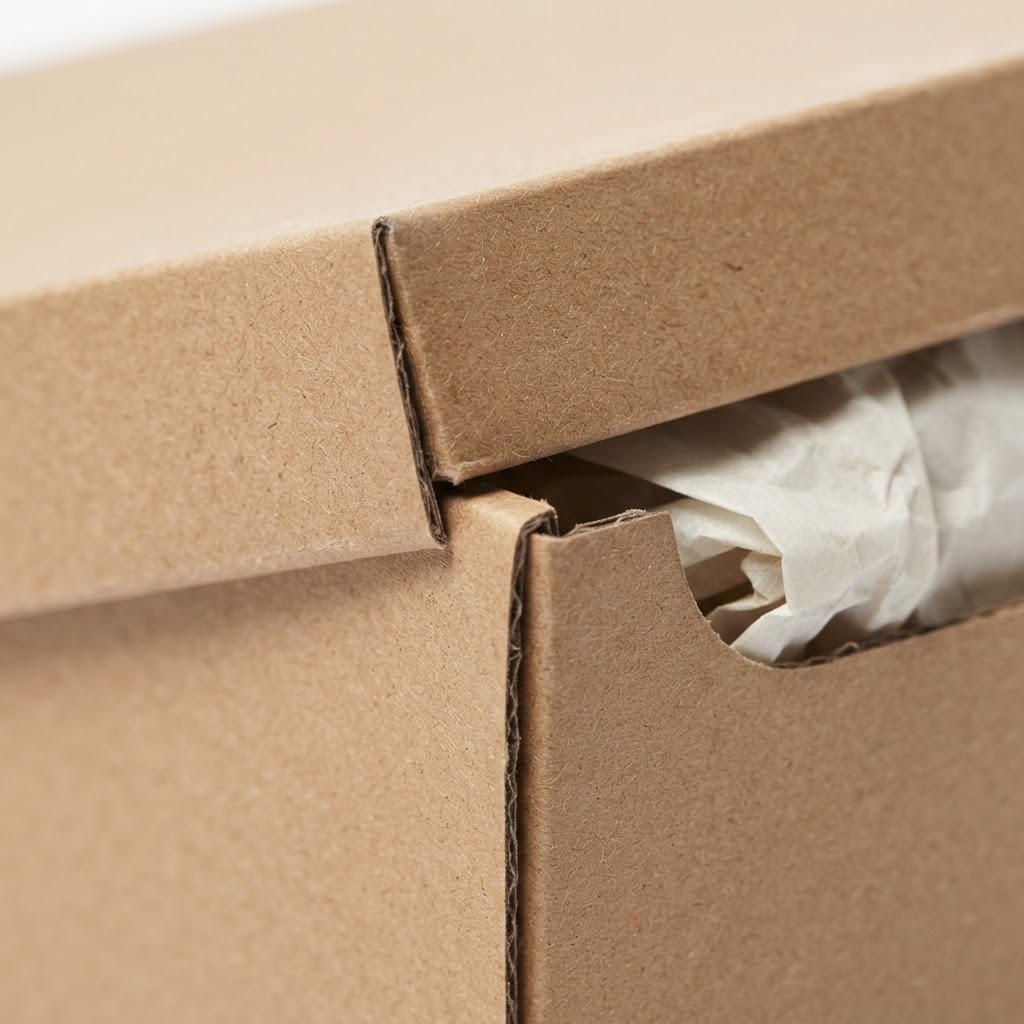
Box and Packaging
Authentic boxes have thick, rigid cardboard with pristine printing. The label is perfectly centered with no misprints. Fakes use thin, flimsy boxes with misaligned labels and cheap printing quality. The barcode and QR code alignment is always precise on authentic pairs.
Source: Compiled from footwear care and authentication industry references
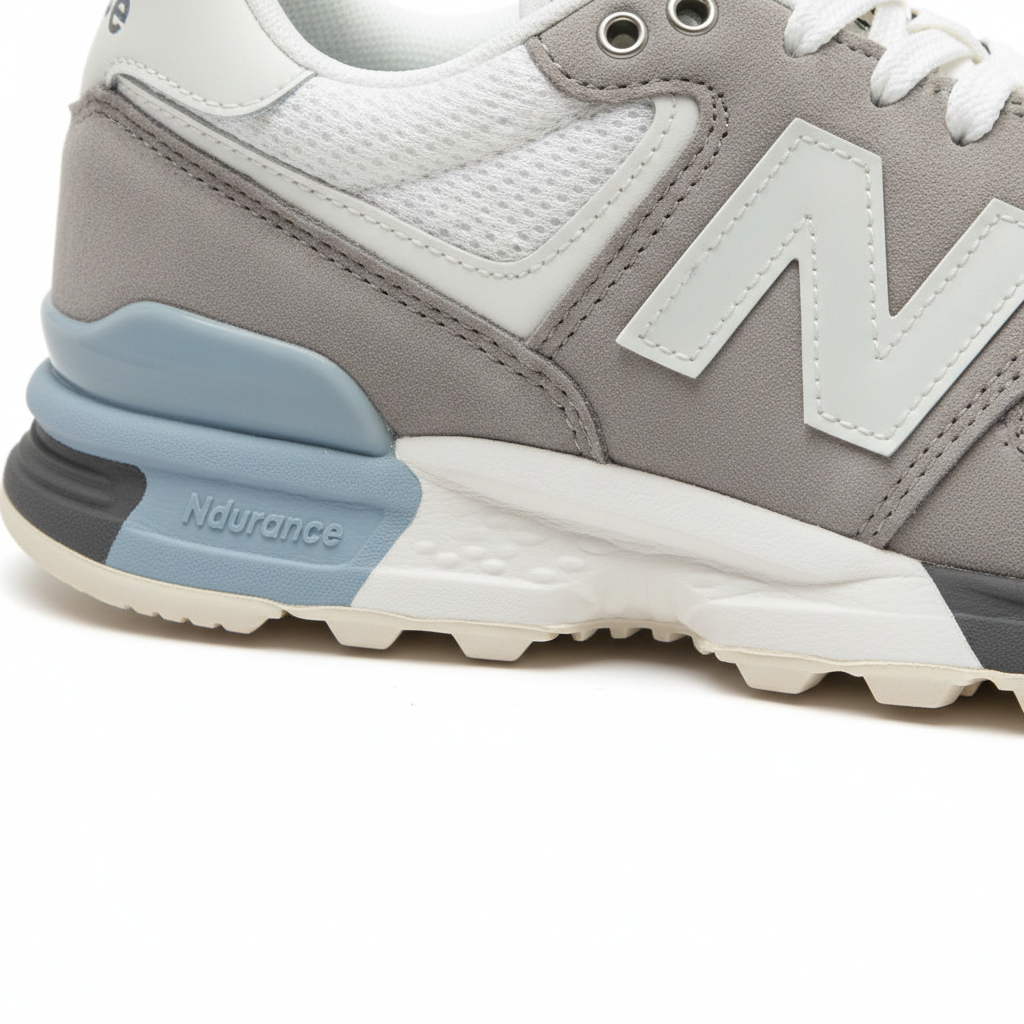
Materials and Sole
Real materials are soft and supple, breaking in naturally. The midsole is firm with consistent density. Fakes use stiff, plastic-feeling synthetic materials and weak, compressible soles. Check the glue seam — it is invisible on authentic pairs.
Source: Compiled from footwear care and authentication industry references
Nike
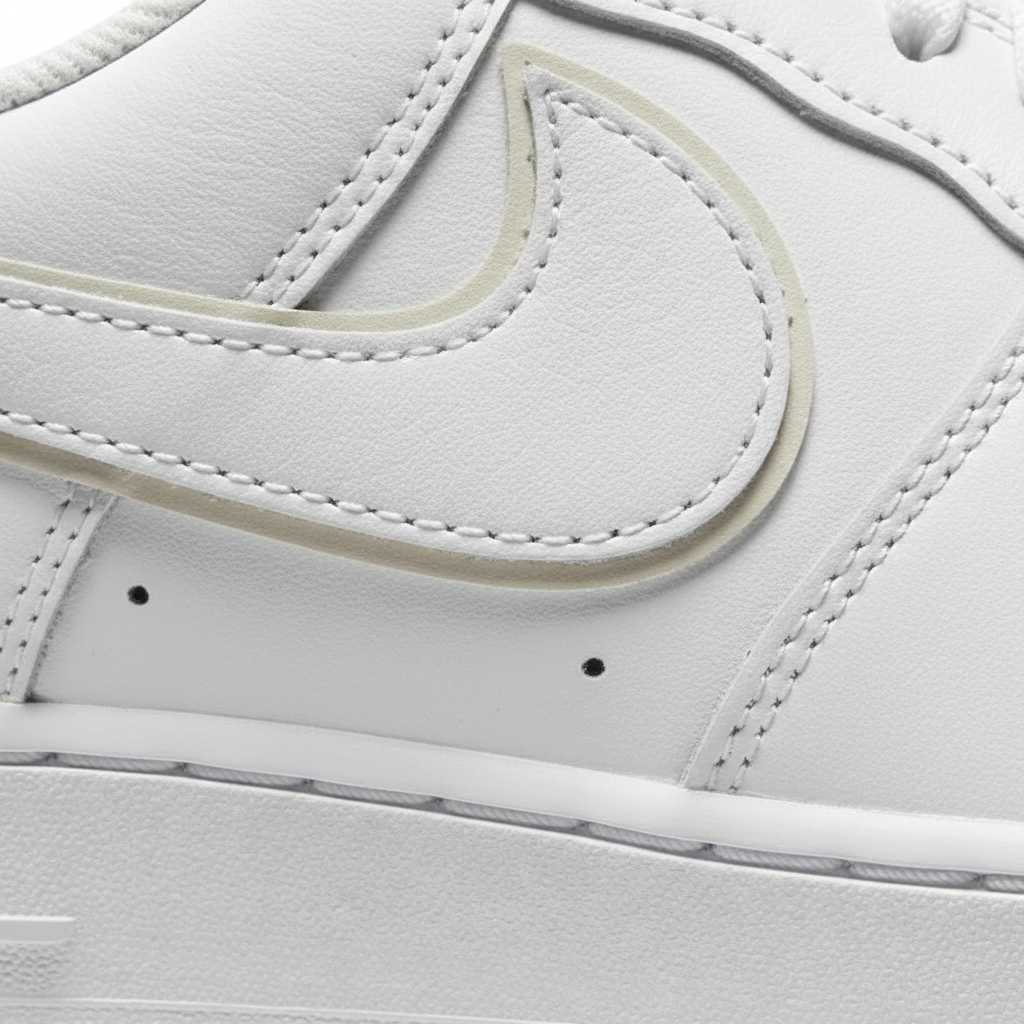
Stitching and Construction
Genuine stitching is laser-straight and consistent throughout. Check the lateral seam — it runs perfectly parallel with no wavering. Fakes often show wavy, uneven stitching with gaps between seams. The stitching thread is tight and reinforced at stress points.
Source: Compiled from footwear care and authentication industry references
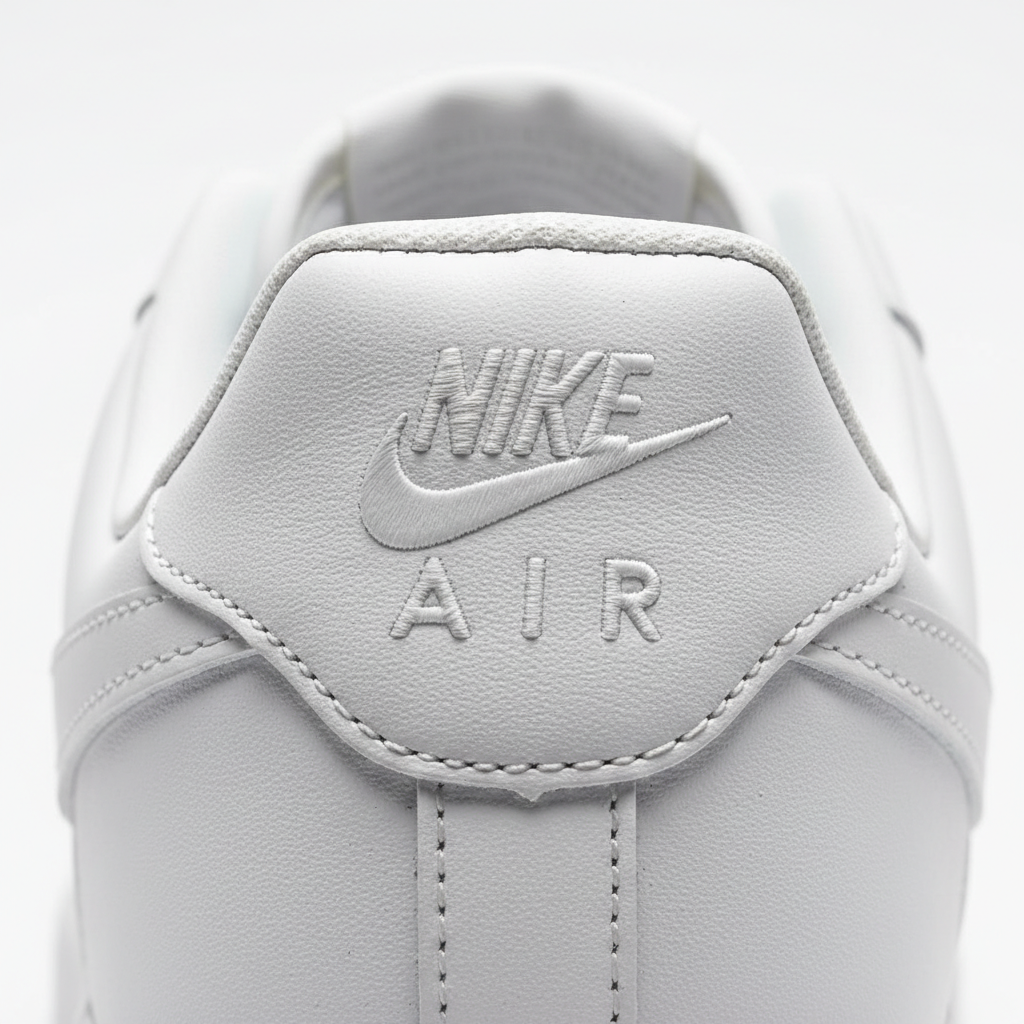
Logo and Branding
The logo must be perfectly symmetrical with clean, sharp lines. Text is sharp and crisp with uniform letter spacing. Fakes have blurry logos, wonky curves, and fuzzy text. Check any embossed logos — authentic pairs have consistent depth and clarity.
Source: Compiled from footwear care and authentication industry references
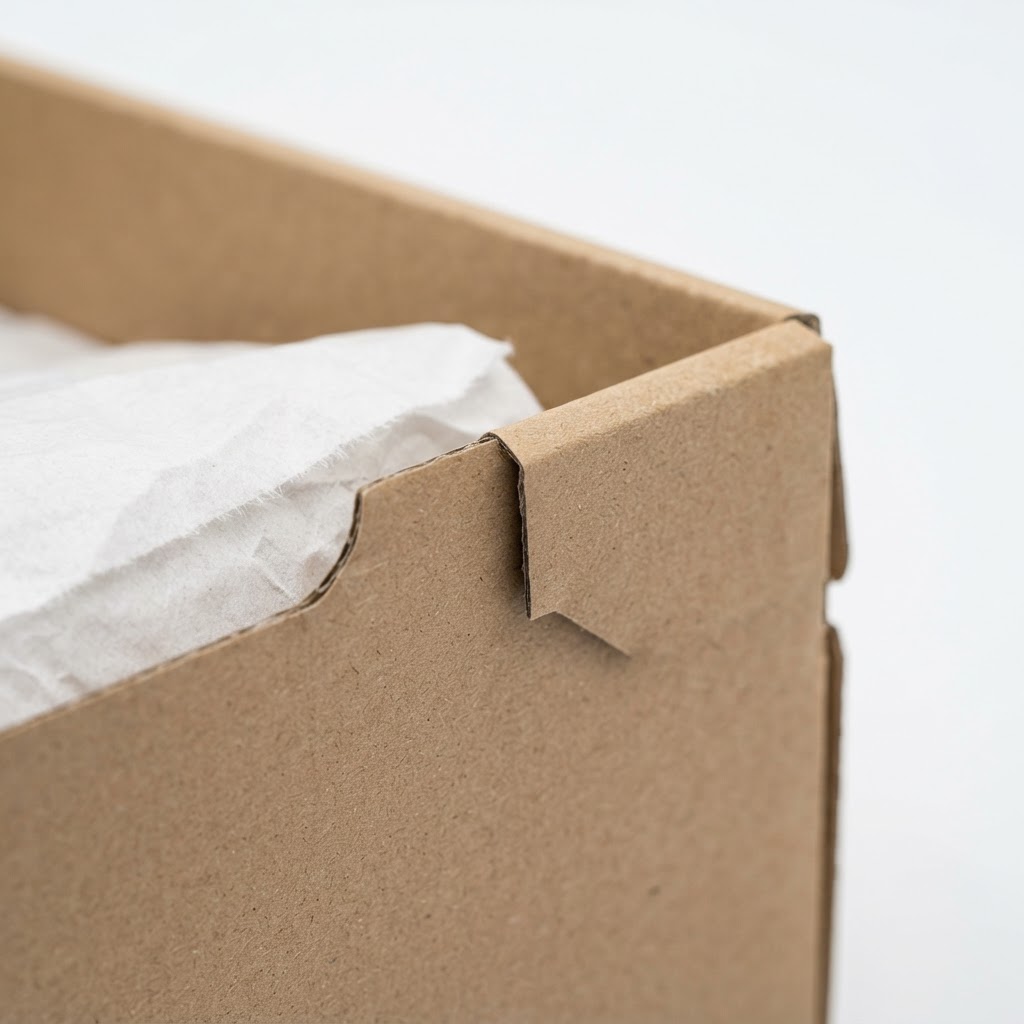
Box and Packaging
Authentic boxes have thick, rigid cardboard with pristine printing. The label is perfectly centered with no misprints. Fakes use thin, flimsy boxes with misaligned labels and cheap printing quality. The barcode and QR code alignment is always precise on authentic pairs.
Source: Compiled from footwear care and authentication industry references
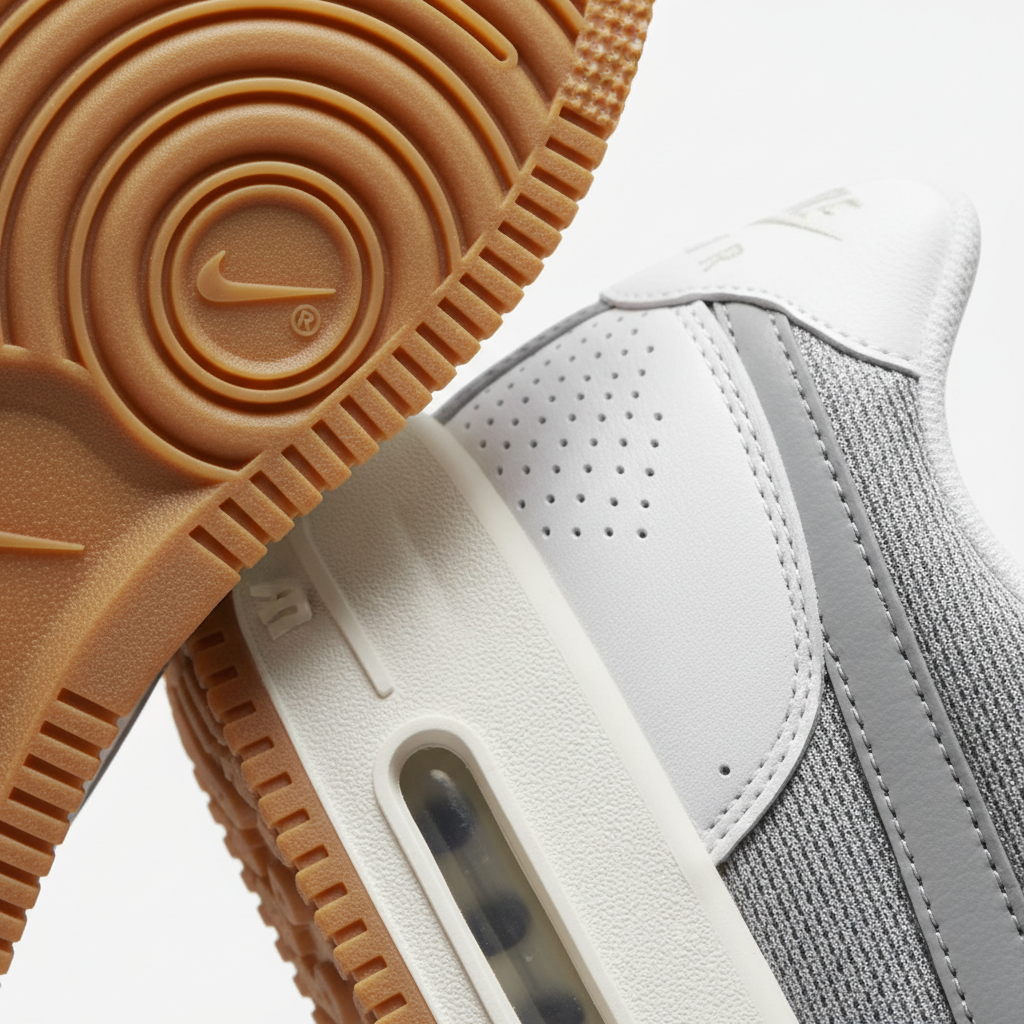
Materials and Sole
Real materials are soft and supple, breaking in naturally. The midsole is firm with consistent density. Fakes use stiff, plastic-feeling synthetic materials and weak, compressible soles. Check the glue seam — it is invisible on authentic pairs.
Source: Compiled from footwear care and authentication industry references
Puma
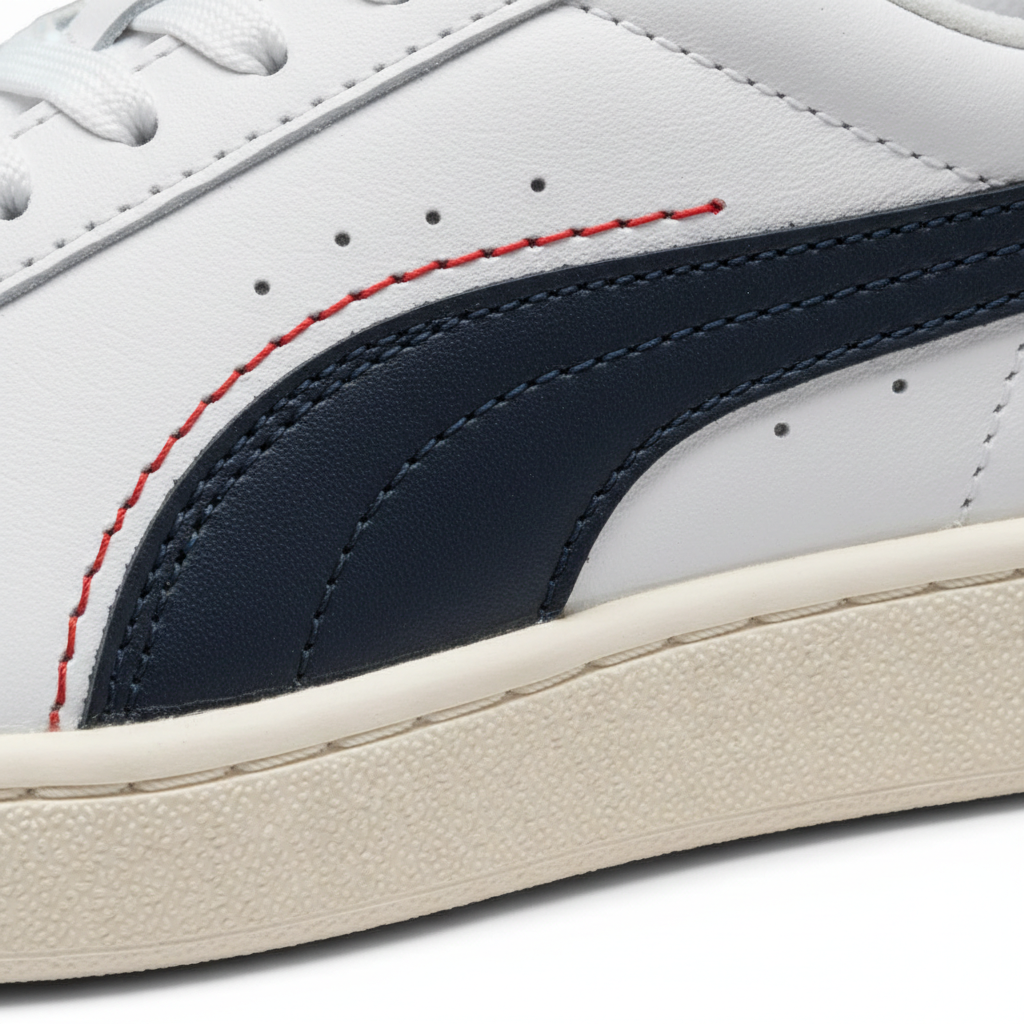
Stitching and Construction
Genuine stitching is laser-straight and consistent throughout. Check the lateral seam — it runs perfectly parallel with no wavering. Fakes often show wavy, uneven stitching with gaps between seams. The stitching thread is tight and reinforced at stress points.
Source: Compiled from footwear care and authentication industry references
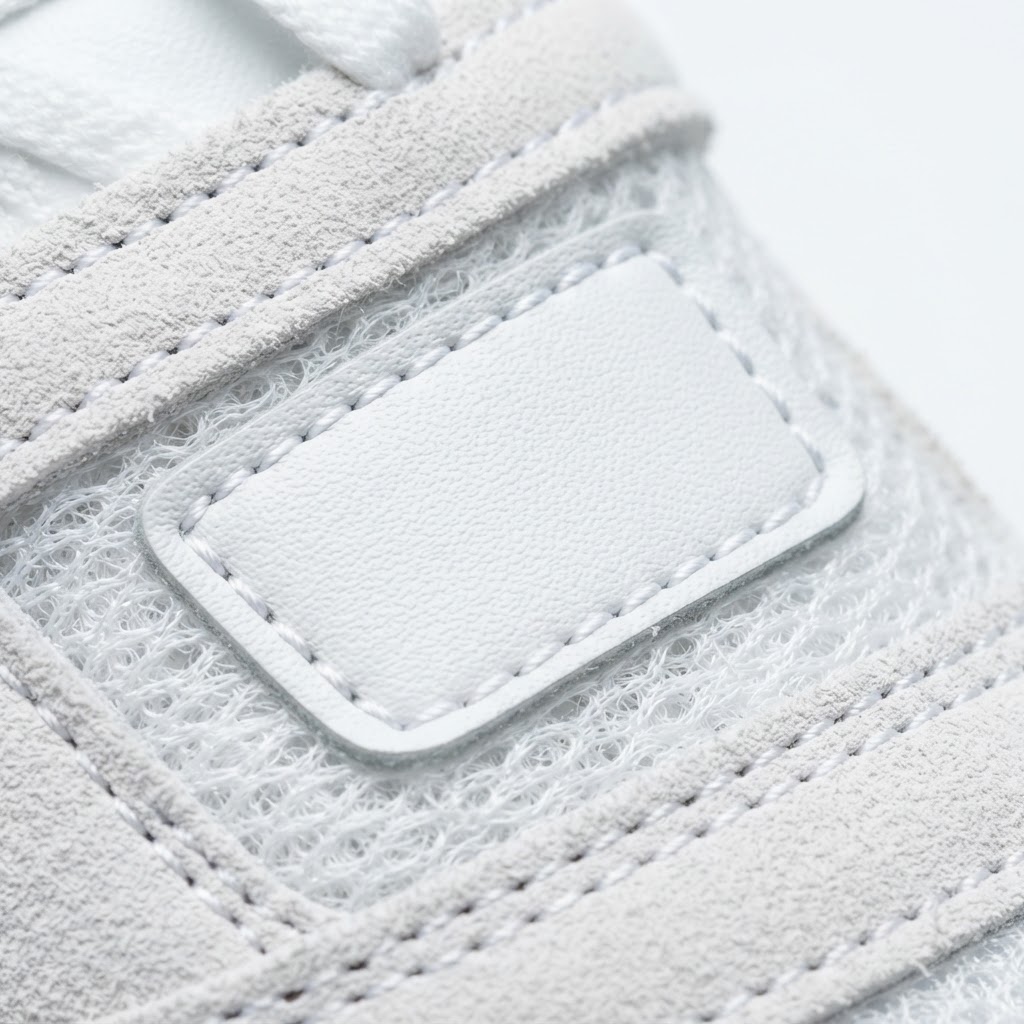
Logo and Branding
The logo must be perfectly symmetrical with clean, sharp lines. Text is sharp and crisp with uniform letter spacing. Fakes have blurry logos, wonky curves, and fuzzy text. Check any embossed logos — authentic pairs have consistent depth and clarity.
Source: Compiled from footwear care and authentication industry references
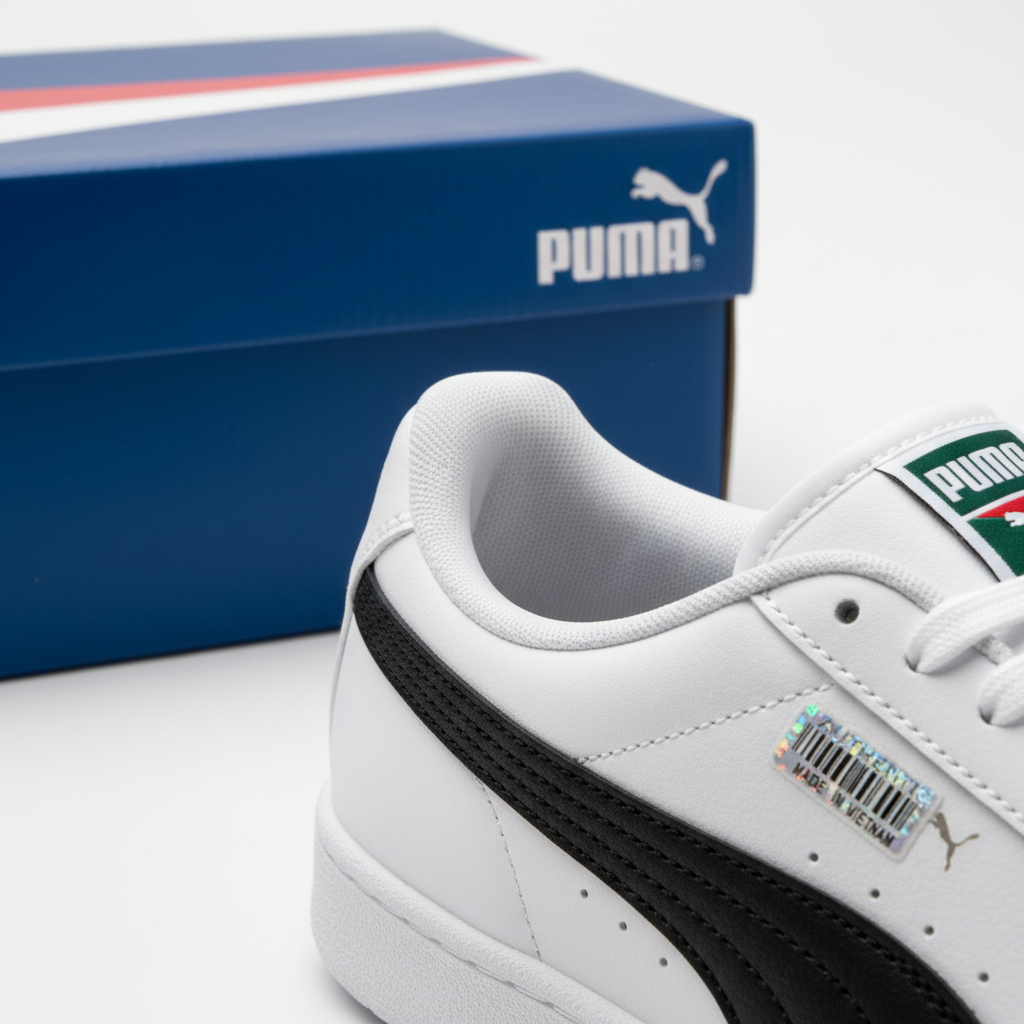
Box and Packaging
Authentic boxes have thick, rigid cardboard with pristine printing. The label is perfectly centered with no misprints. Fakes use thin, flimsy boxes with misaligned labels and cheap printing quality. The barcode and QR code alignment is always precise on authentic pairs.
Source: Compiled from footwear care and authentication industry references
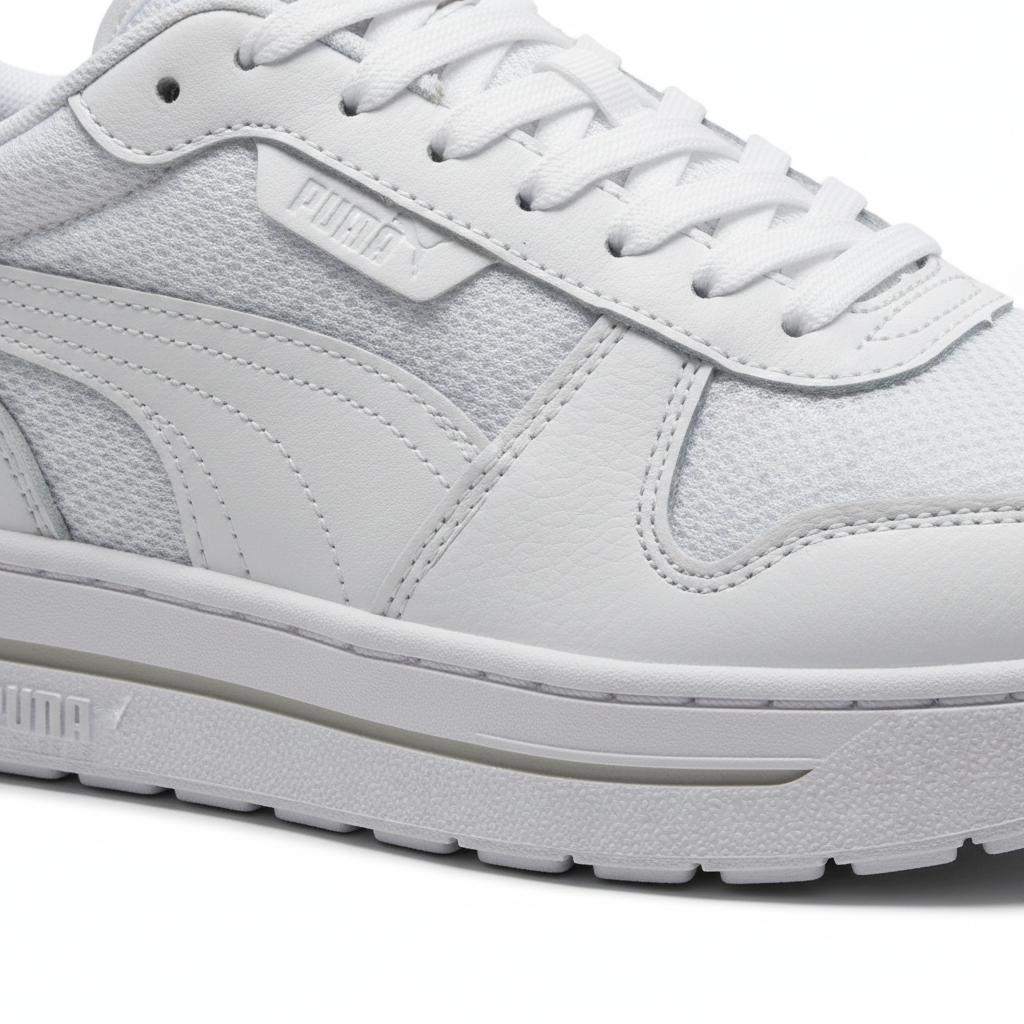
Materials and Sole
Real materials are soft and supple, breaking in naturally. The midsole is firm with consistent density. Fakes use stiff, plastic-feeling synthetic materials and weak, compressible soles. Check the glue seam — it is invisible on authentic pairs.
Source: Compiled from footwear care and authentication industry references
Reebok
Stitching and Construction
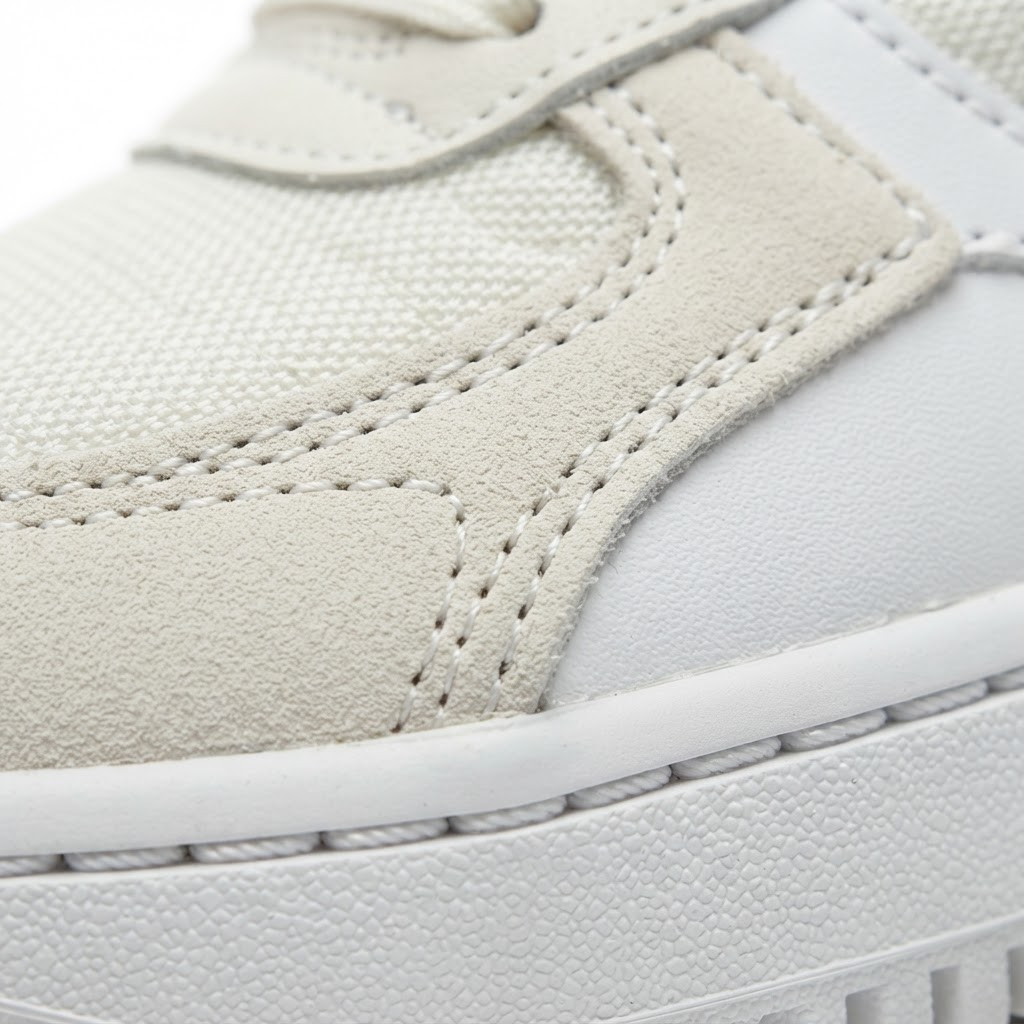
Genuine stitching is laser-straight and consistent throughout. Check the lateral seam — it runs perfectly parallel with no wavering. Fakes often show wavy, uneven stitching with gaps between seams. The stitching thread is tight and reinforced at stress points.
Source: Compiled from footwear care and authentication industry references
Logo and Branding
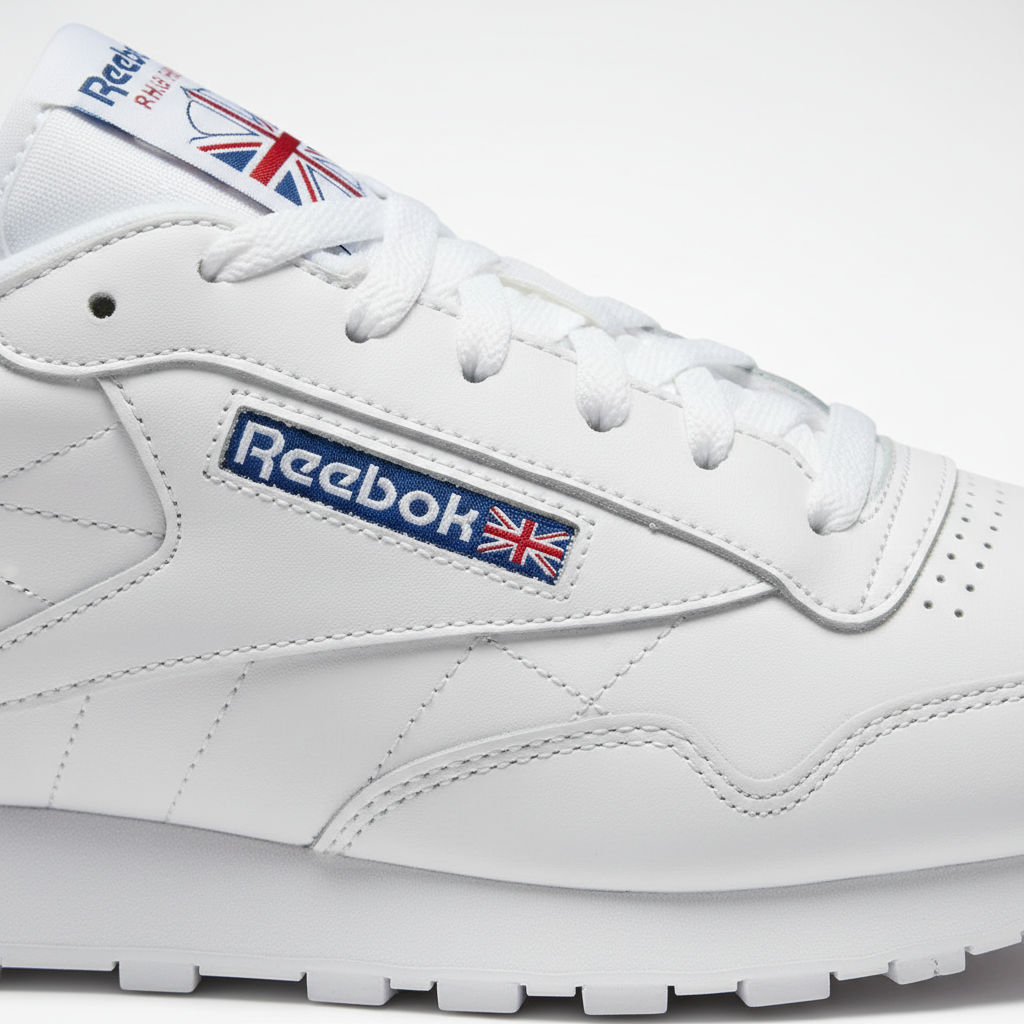
The logo must be perfectly symmetrical with clean, sharp lines. Text is sharp and crisp with uniform letter spacing. Fakes have blurry logos, wonky curves, and fuzzy text. Check any embossed logos — authentic pairs have consistent depth and clarity.
Source: Compiled from footwear care and authentication industry references
Box and Packaging
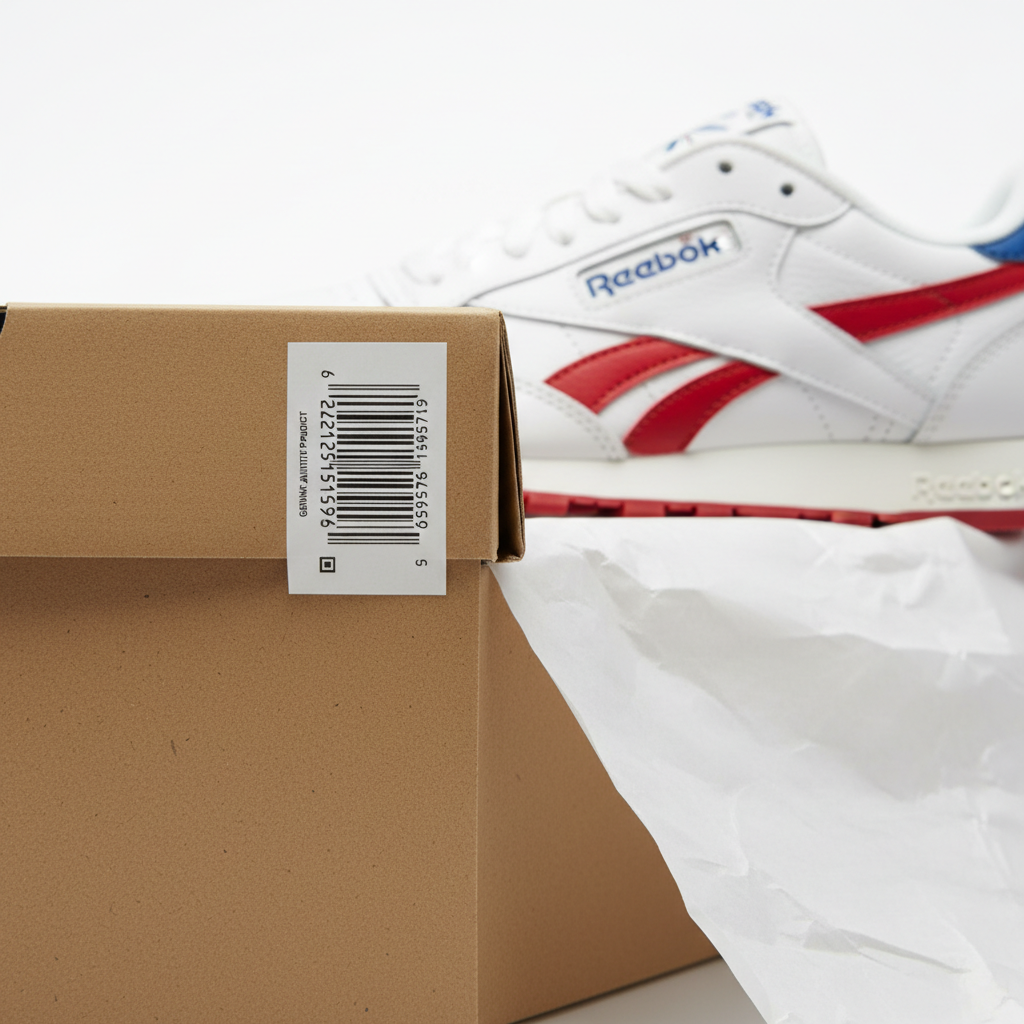
Authentic boxes have thick, rigid cardboard with pristine printing. The label is perfectly centered with no misprints. Fakes use thin, flimsy boxes with misaligned labels and cheap printing quality. The barcode and QR code alignment is always precise on authentic pairs.
Source: Compiled from footwear care and authentication industry references
Materials and Sole
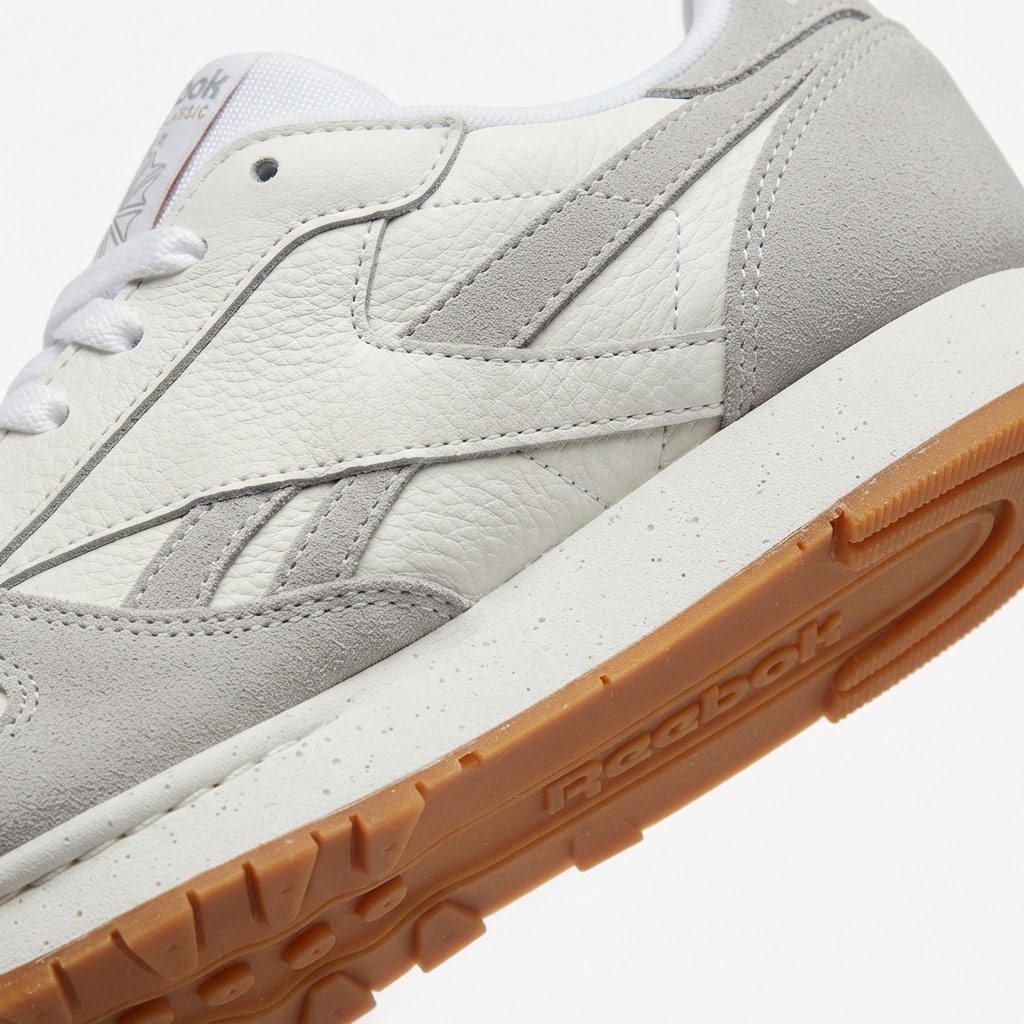
Real materials are soft and supple, breaking in naturally. The midsole is firm with consistent density. Fakes use stiff, plastic-feeling synthetic materials and weak, compressible soles. Check the glue seam — it is invisible on authentic pairs.
Source: Compiled from footwear care and authentication industry references
Vans
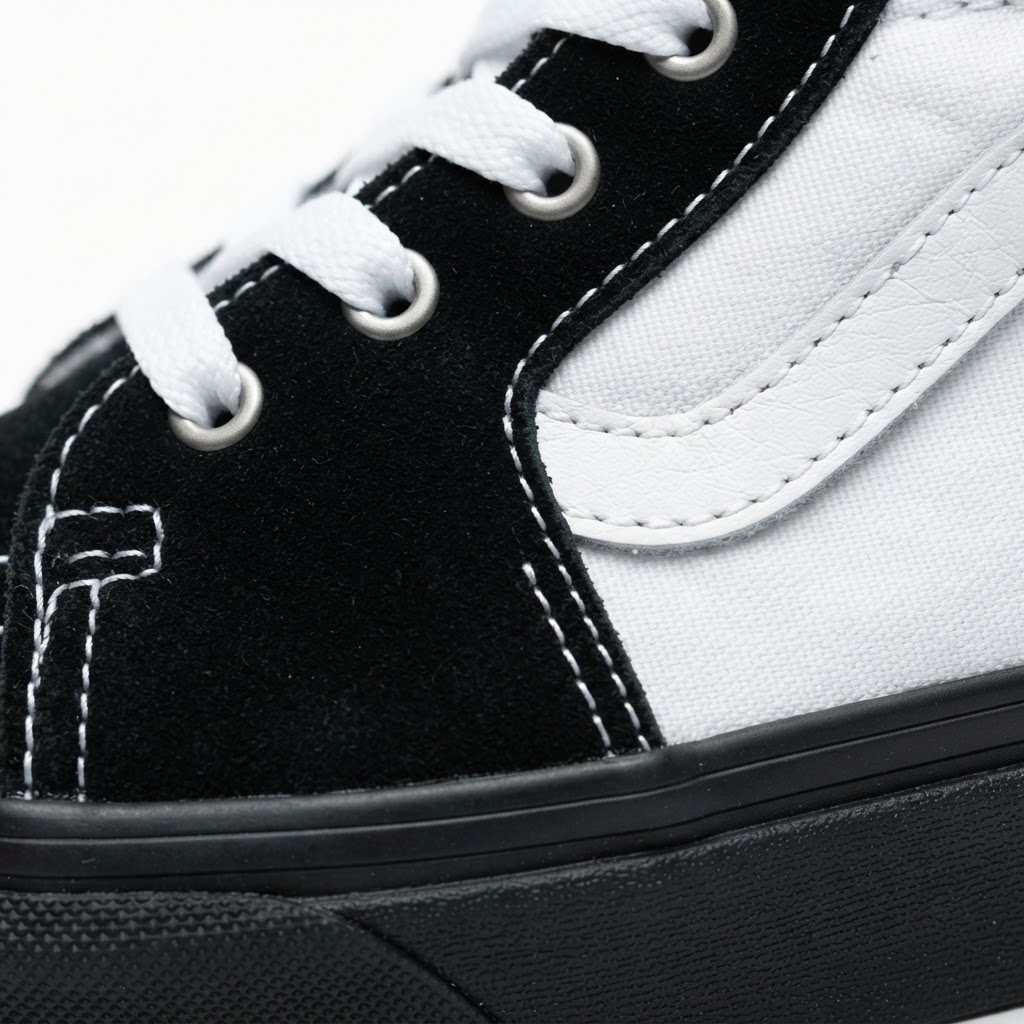
Stitching and Construction
Genuine stitching is laser-straight and consistent throughout. Check the lateral seam — it runs perfectly parallel with no wavering. Fakes often show wavy, uneven stitching with gaps between seams. The stitching thread is tight and reinforced at stress points.
Source: Compiled from footwear care and authentication industry references
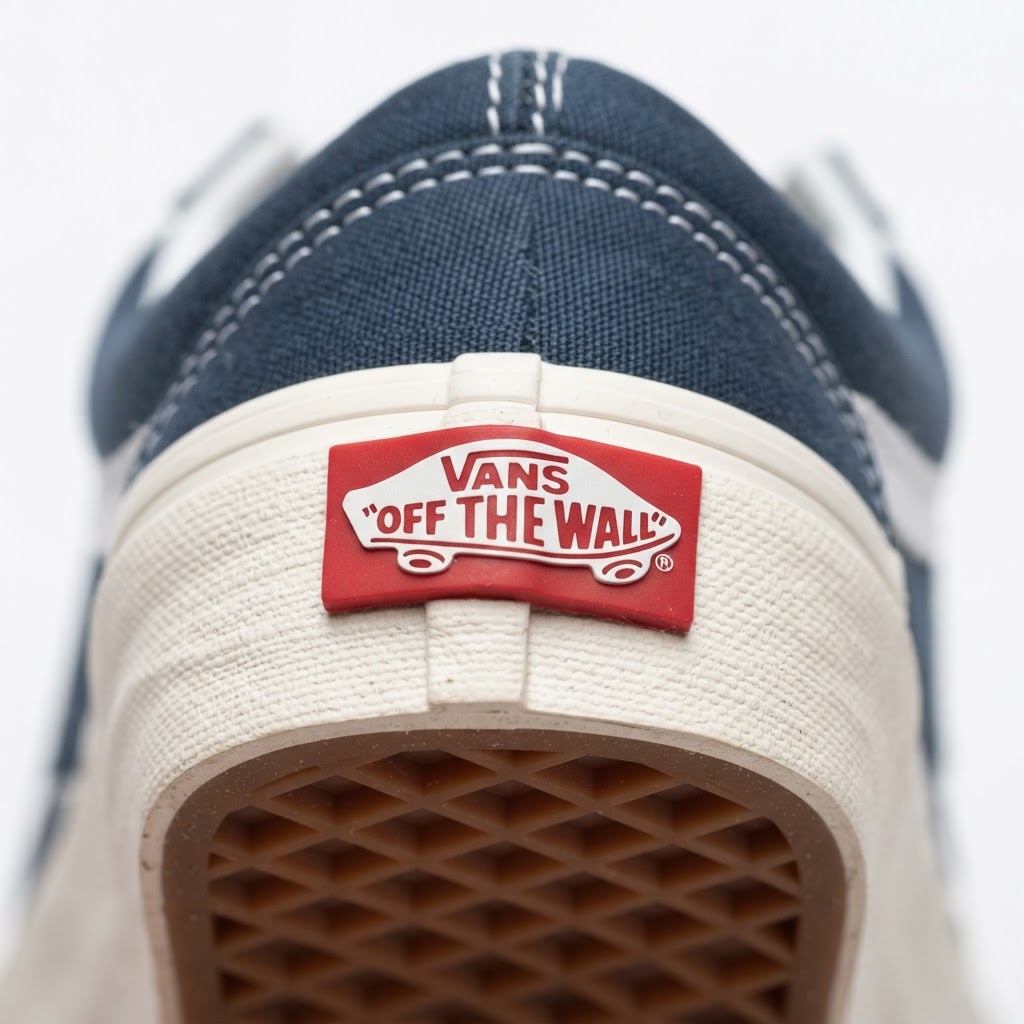
Logo and Branding
The logo must be perfectly symmetrical with clean, sharp lines. Text is sharp and crisp with uniform letter spacing. Fakes have blurry logos, wonky curves, and fuzzy text. Check any embossed logos — authentic pairs have consistent depth and clarity.
Source: Compiled from footwear care and authentication industry references
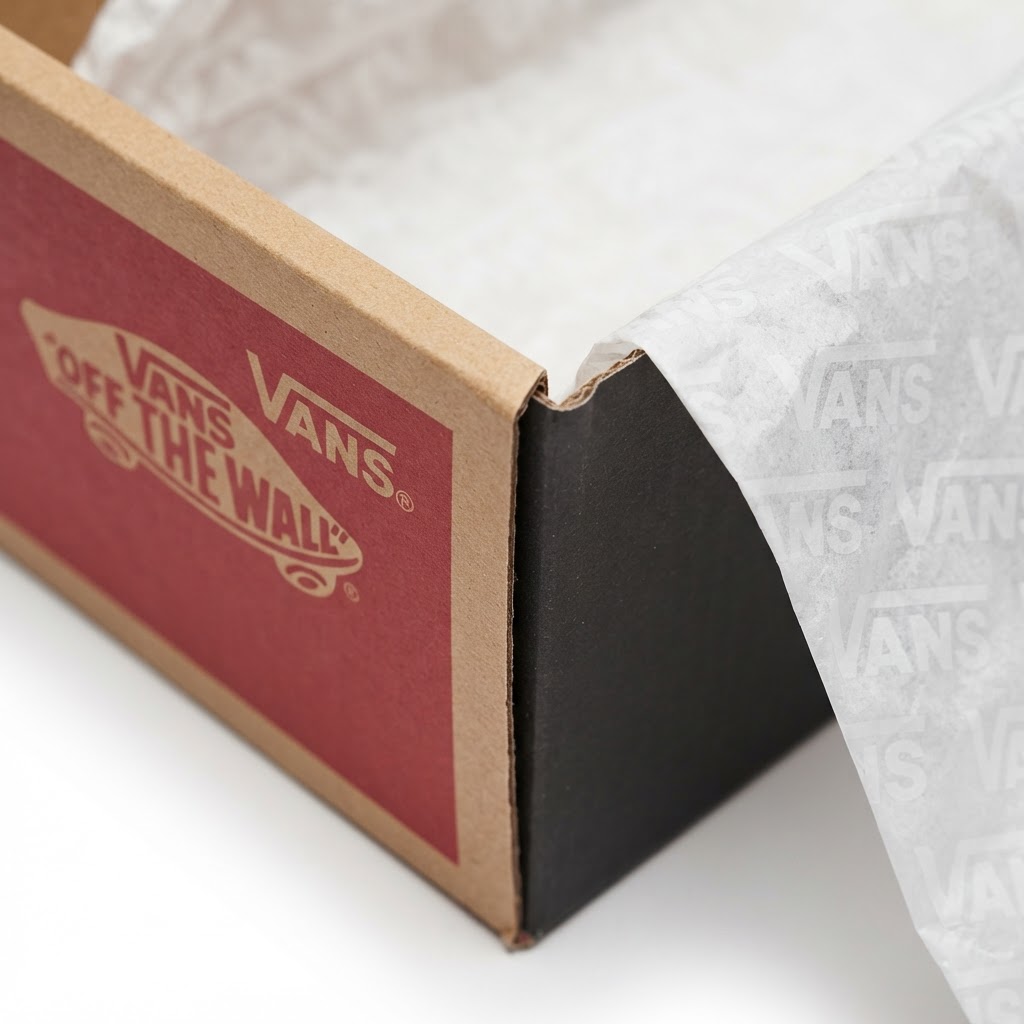
Box and Packaging
Authentic boxes have thick, rigid cardboard with pristine printing. The label is perfectly centered with no misprints. Fakes use thin, flimsy boxes with misaligned labels and cheap printing quality. The barcode and QR code alignment is always precise on authentic pairs.
Source: Compiled from footwear care and authentication industry references
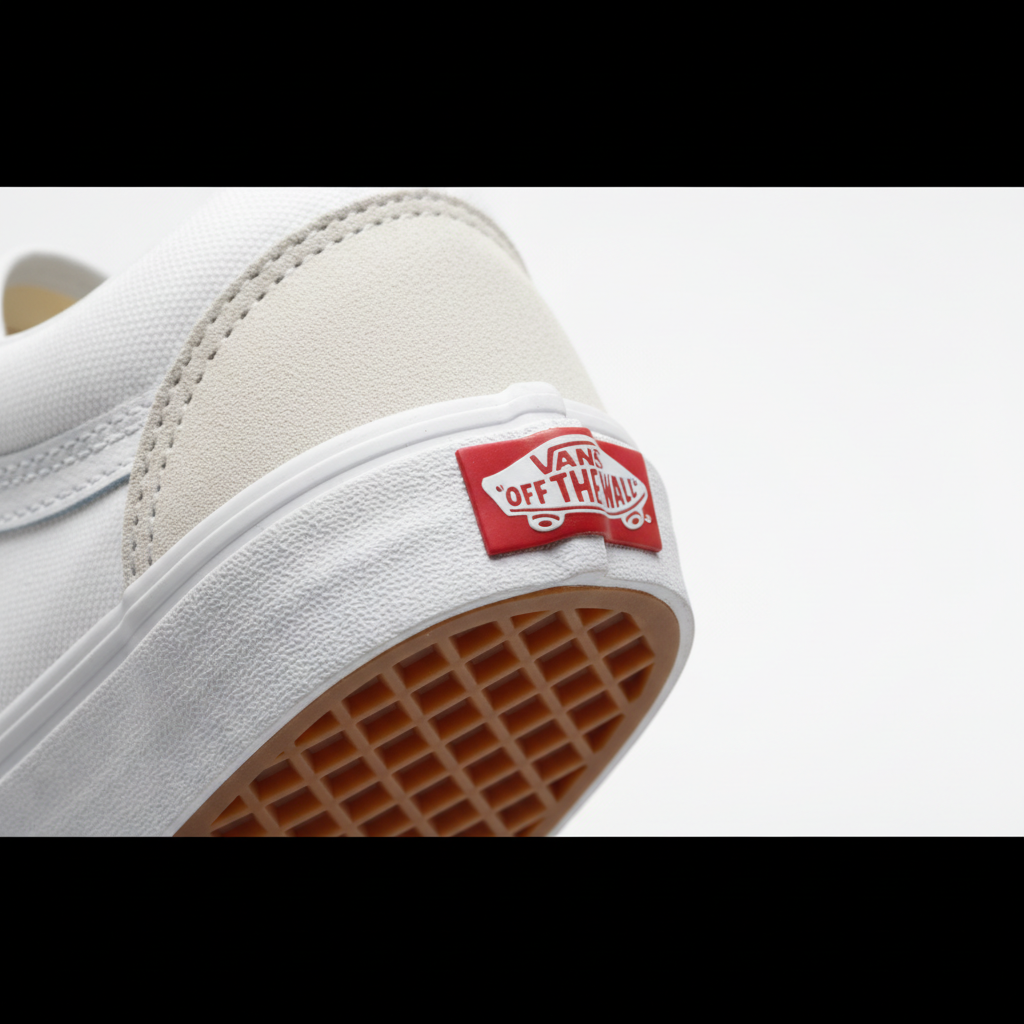
Materials and Sole
Real materials are soft and supple, breaking in naturally. The midsole is firm with consistent density. Fakes use stiff, plastic-feeling synthetic materials and weak, compressible soles. Check the glue seam — it is invisible on authentic pairs.
Source: Compiled from footwear care and authentication industry references
Yeezy
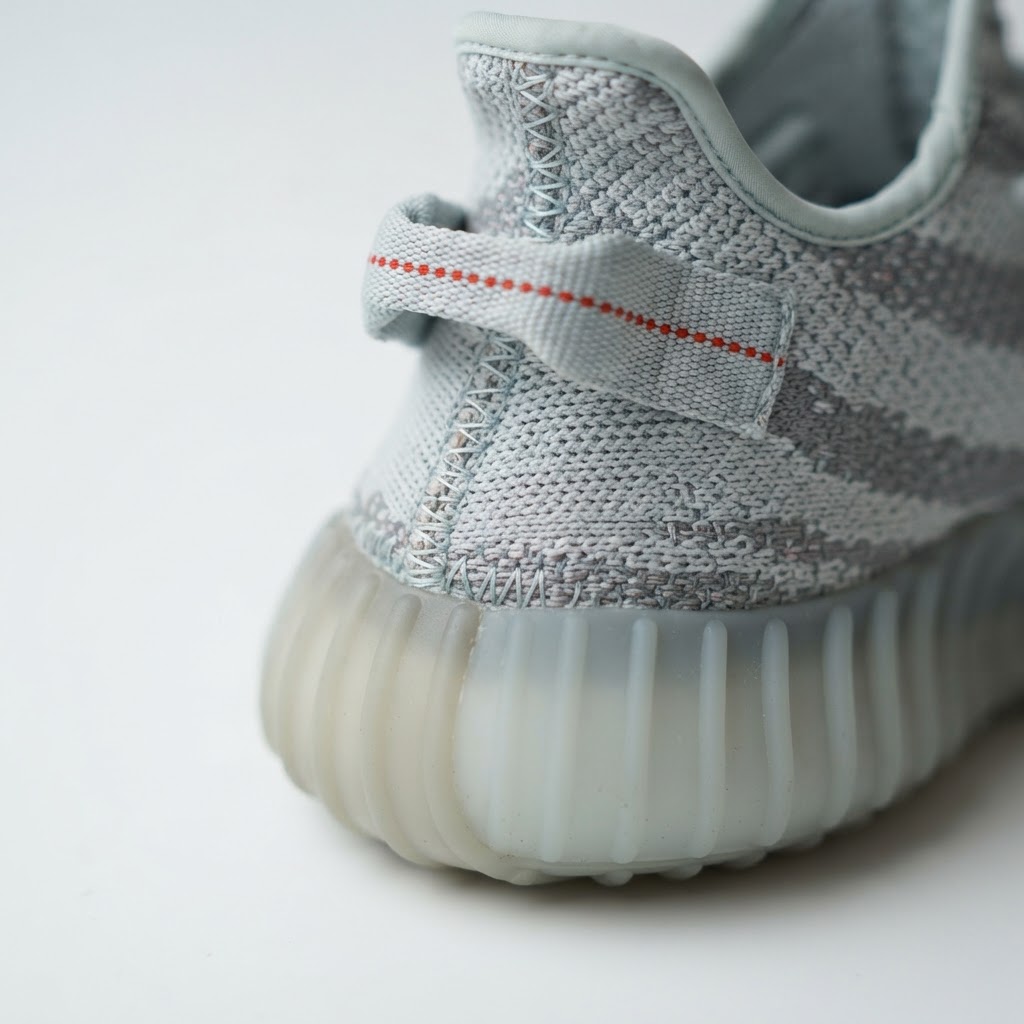
Stitching and Construction
Genuine stitching is laser-straight and consistent throughout. Check the lateral seam — it runs perfectly parallel with no wavering. Fakes often show wavy, uneven stitching with gaps between seams. The stitching thread is tight and reinforced at stress points.
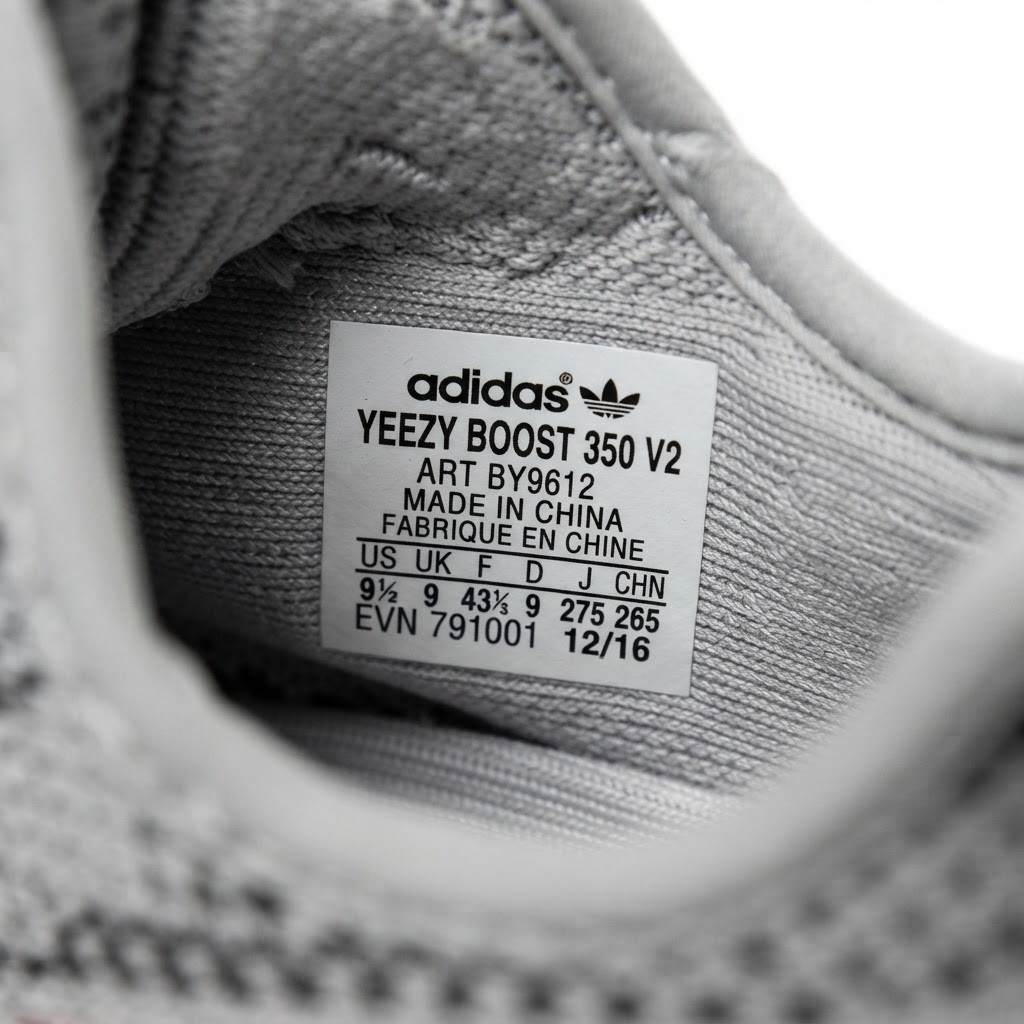
Logo and Branding
The logo must be perfectly symmetrical with clean, sharp lines. Text is sharp and crisp with uniform letter spacing. Fakes have blurry logos, wonky curves, and fuzzy text. Check any embossed logos — authentic pairs have consistent depth and clarity.
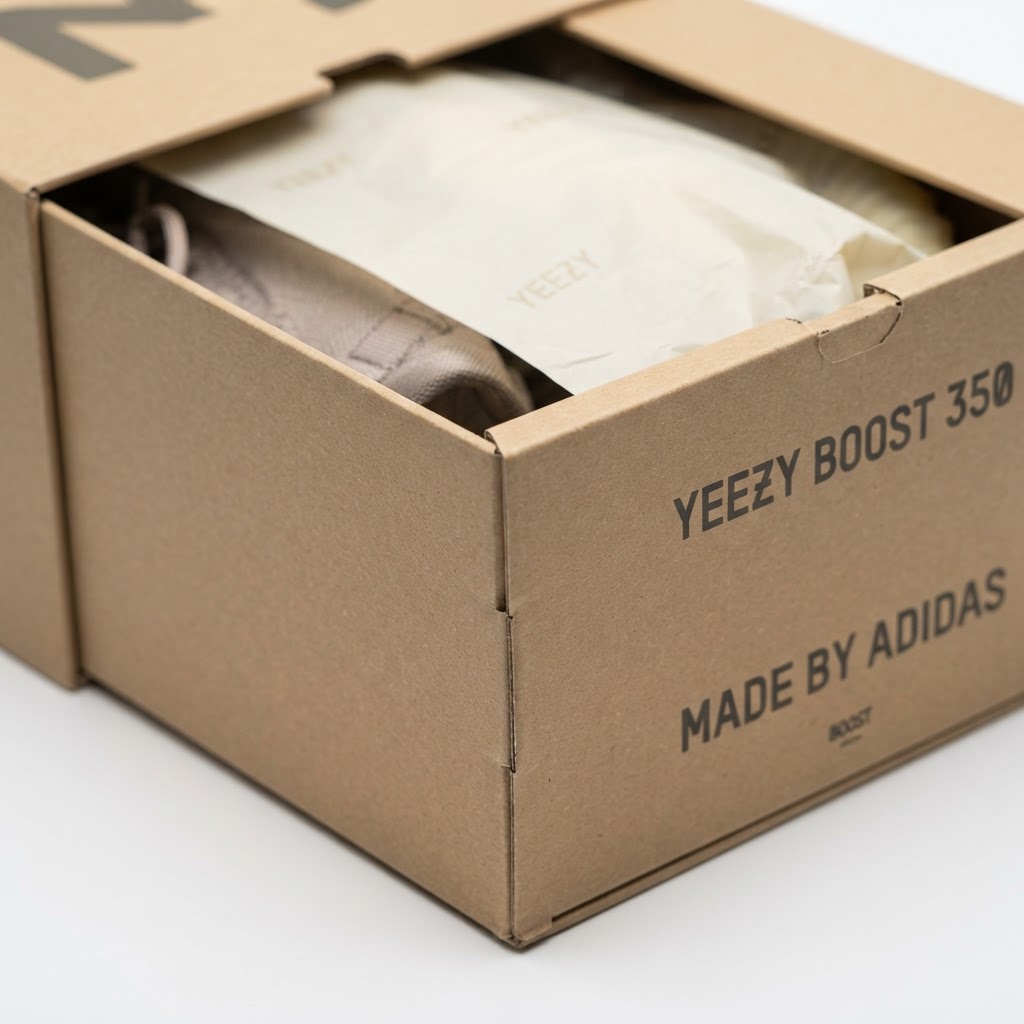
Box and Packaging
Authentic boxes have thick, rigid cardboard with pristine printing. The label is perfectly centered with no misprints. Fakes use thin, flimsy boxes with misaligned labels and cheap printing quality. The barcode and QR code alignment is always precise on authentic pairs.
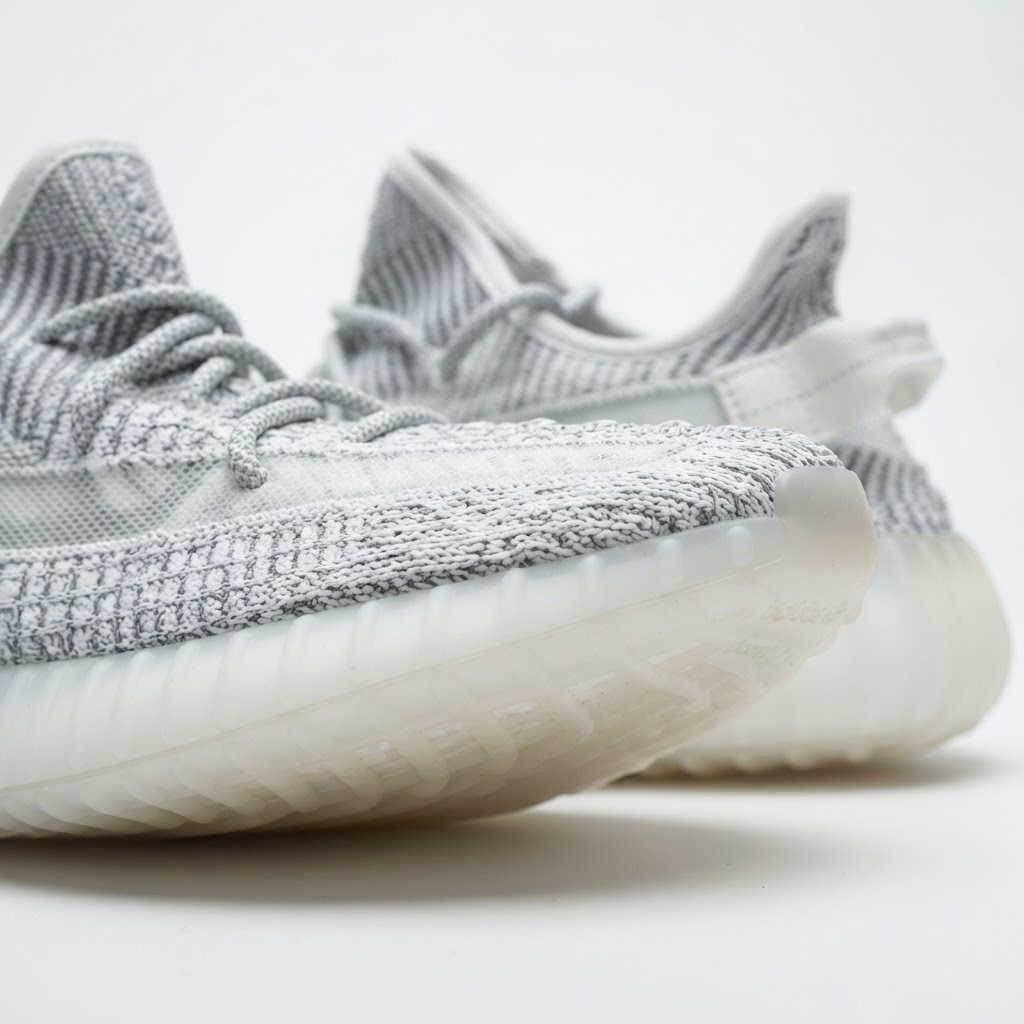
Materials and Sole
Real materials are soft and supple, breaking in naturally. The midsole is firm with consistent density. Fakes use stiff, plastic-feeling synthetic materials and weak, compressible soles. Check the glue seam — it is invisible on authentic pairs.
All shoe images, facts, and explanations on KickLedger are AI-generated. Each fact runs through an automated fact-check before publishing and carries a source reference where available, but none has been reviewed by a human authenticator yet — treat this as a helpful starting point, not a final verification. Content is dated to show when it was generated, as facts, brand relationships, and product availability can change over time. Human-reviewed content and real community photos will be added over time.
© KickLedger · V&F Authenticated