Leather
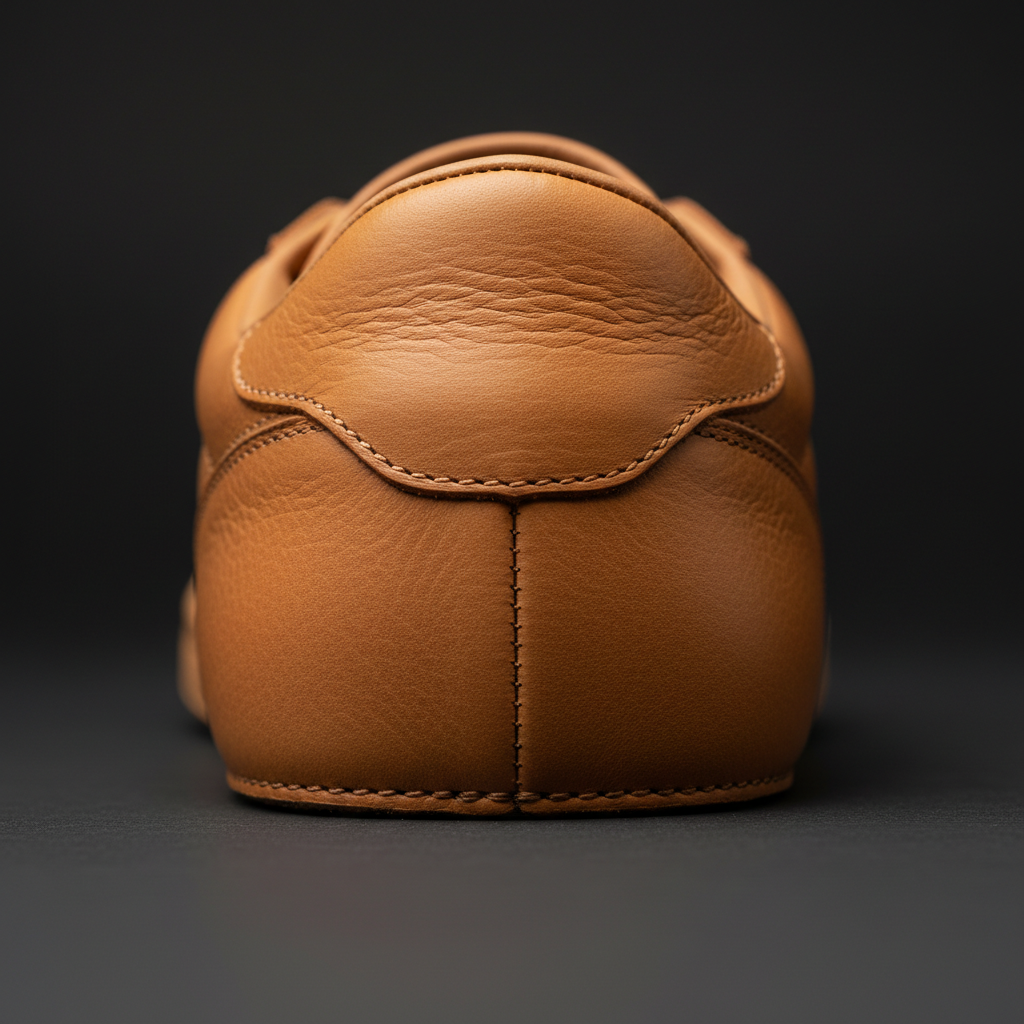
Leather is a durable and stylish material that can develop scratches and scuffs over time. It requires specific care to maintain its luster and prevent drying or cracking.
How to Clean
1. Remove excess dirt with a soft brush or cloth. 2. Use a damp cloth with mild soap to wipe the surface gently. 3. Rinse with a clean, damp cloth. 4. Allow the shoes to air dry away from direct heat. 5. Apply a leather conditioner to nourish the material.
What to Avoid
Avoid using harsh chemicals, abrasive cleaners, or excessive water, as these can damage the leather's finish and lead to dryness or cracking. Do not expose leather to direct sunlight for extended periods, as this can fade the color and deteriorate the material.
Storage & Care
Store leather sneakers in a cool, dry place. Use shoe trees to maintain their shape and avoid stacking other shoes on top to prevent creasing. Regularly condition the leather every few months to keep it supple.
Source: Compiled from footwear care and authentication industry references
Suede / Nubuck
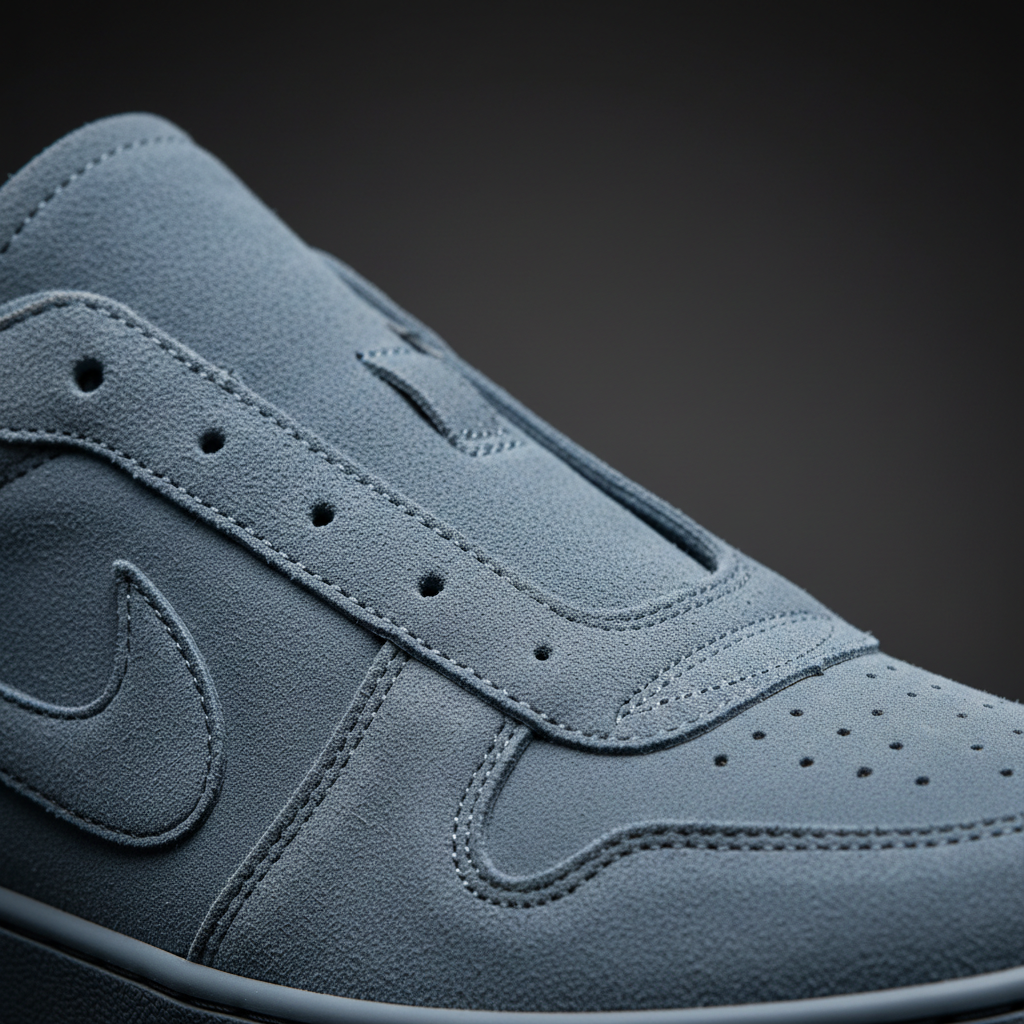
Suede and nubuck are soft, textured materials made from leather, which require careful handling to avoid damage. Their porous nature makes them more susceptible to stains and water, necessitating special cleaning techniques.
How to Clean
1. Use a suede brush to gently lift dirt and restore the nap. 2. For stains, apply a suede eraser to the affected area. 3. For tougher stains, use a dedicated suede cleaner according to the product instructions. 4. Allow to air dry, then brush again to restore the texture.
What to Avoid
Avoid water, as it can cause irreversible stains and damage the texture. Do not use regular leather cleaners or conditioners, as these can change the suede's appearance. Keep away from direct contact with oils and grease.
Storage & Care
Store in a cool, dry place away from direct sunlight. Use a dust bag to prevent dirt accumulation and maintain their shape. Regularly brush suede to keep its texture looking fresh.
Source: Compiled from footwear care and authentication industry references
Canvas
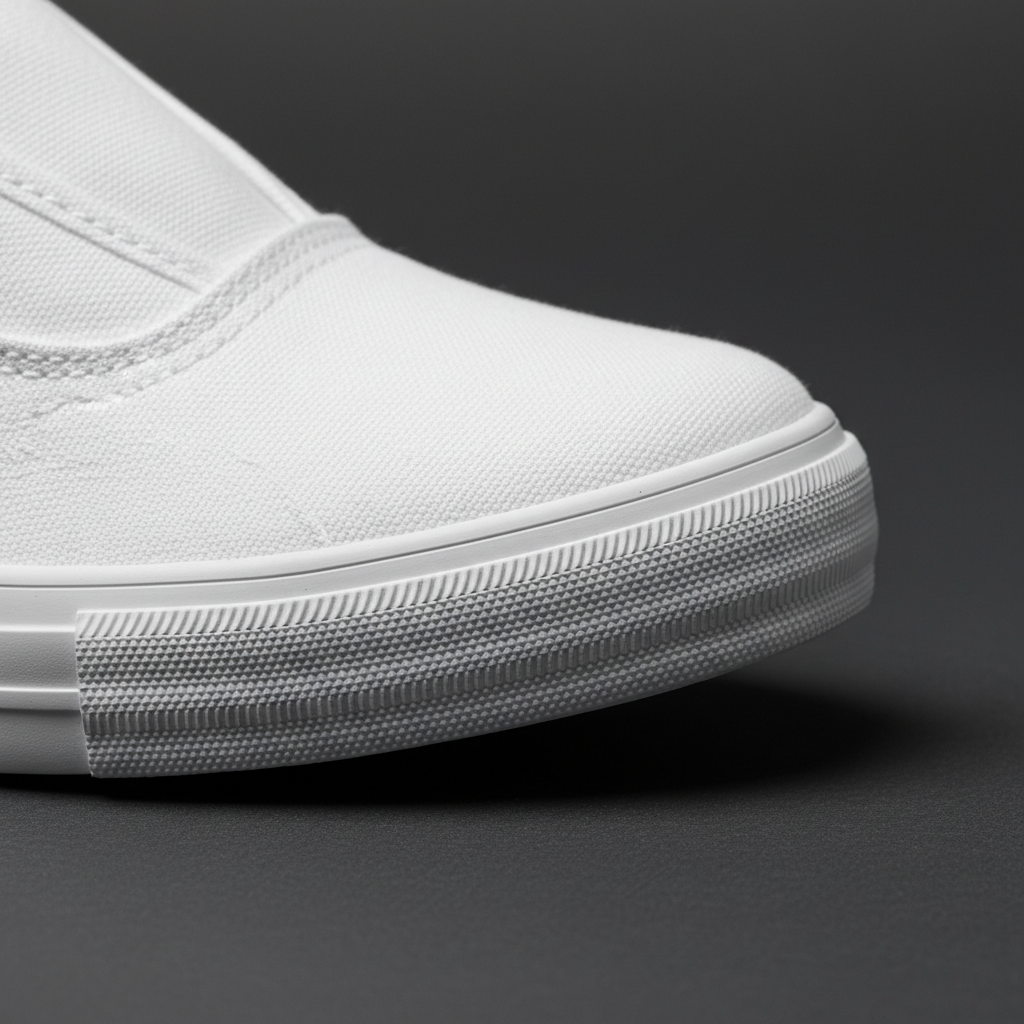
Canvas is a breathable and lightweight material favored for casual sneakers. It’s strong but can absorb dirt and stains, making regular cleaning essential to maintain appearance.
How to Clean
1. Remove excess dirt by shaking or brushing. 2. Use a damp cloth with mild soap to scrub any stained areas. 3. Rinse with clean water. 4. For deeper cleaning, machine wash on a gentle cycle in cold water. 5. Air dry away from heat sources.
What to Avoid
Avoid bleach and harsh detergents, as these can discolor and degrade the canvas. Do not machine dry, as high heat can shrink or warp the material. Avoid contact with oil stains, as these can be difficult to remove.
Storage & Care
Store in a cool, dry area. Use shoe bags to keep dust off and maintain their shape. Regularly check for stains and clean promptly to prevent permanent marks.
Source: Compiled from footwear care and authentication industry references
Mesh / Knit
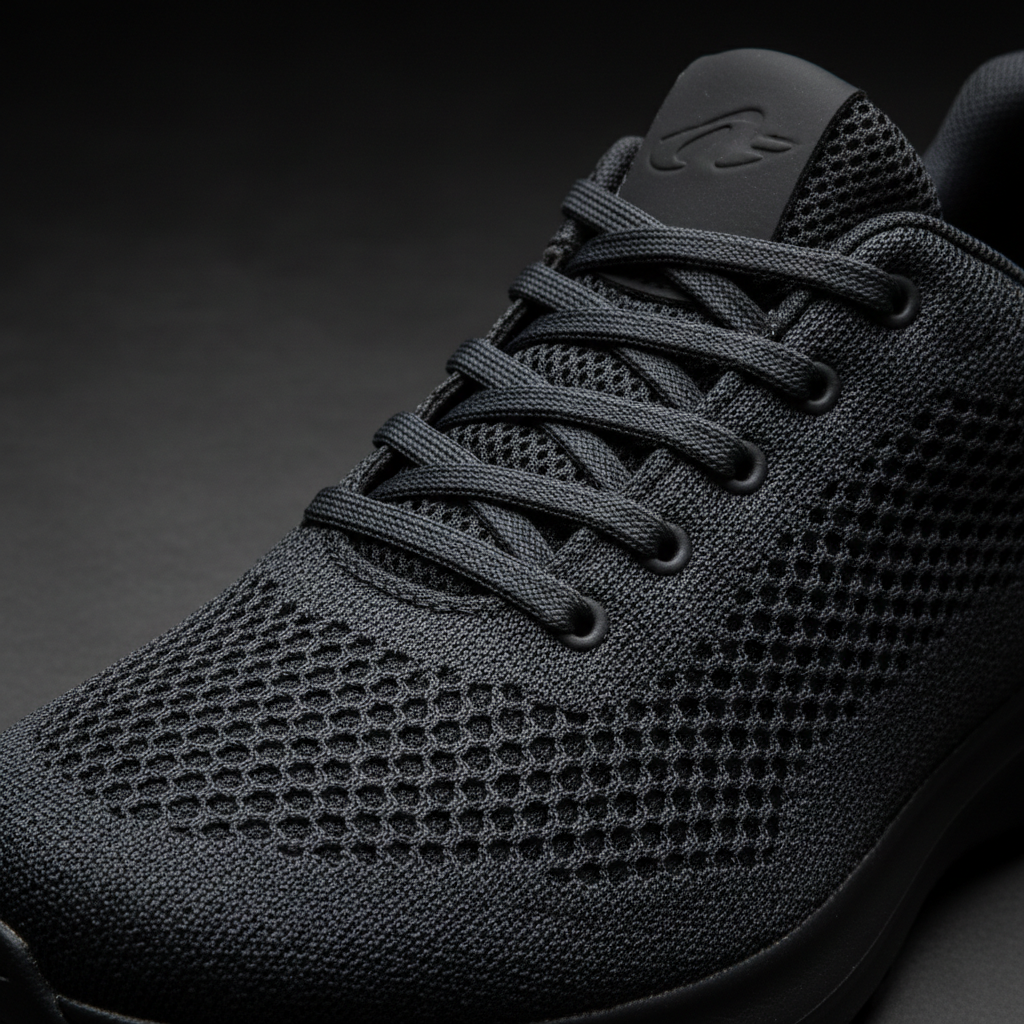
Mesh and knit materials are designed for breathability and comfort, commonly used in athletic shoes. They require gentle care to maintain their elasticity and prevent damage to the mesh structure.
How to Clean
1. Gently shake off loose dirt or debris. 2. Use a soft cloth or brush to clean the surface. 3. For deeper cleaning, mix mild detergent in water and scrub gently. 4. Rinse with a damp cloth to remove soap residue. 5. Air dry completely before wearing again.
What to Avoid
Avoid rough scrubbing or abrasive materials, as these can tear or damage the mesh fibers. Do not machine wash unless the manufacturer states it is safe, and avoid high heat, which can warp the material.
Storage & Care
Store in a ventilated area away from direct sunlight. Use shoe trees or stuff them with paper to help retain their shape. Regularly inspect for dirt and clean as needed to keep them looking fresh.
Source: Compiled from footwear care and authentication industry references
Synthetic / Foam
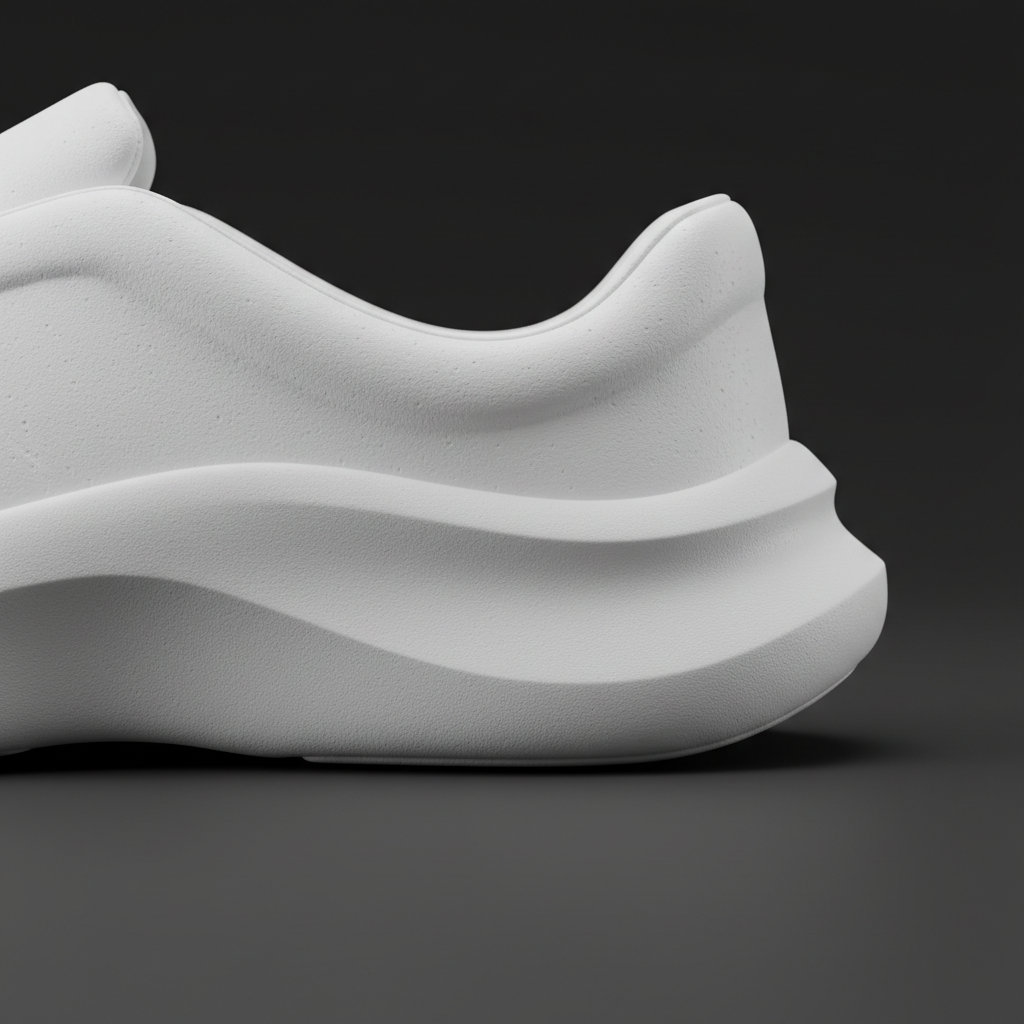
Synthetic and foam materials are lightweight and water-resistant, commonly used for modern sneaker designs. While durable, they can trap odors and require specific cleaning for longevity.
How to Clean
1. Wipe off any surface dirt with a damp cloth. 2. Mix mild detergent with water and use a soft brush to scrub any stains. 3. Rinse the brush and go over the area with clean water to remove soap. 4. Allow to air dry, avoiding direct sunlight.
What to Avoid
Avoid harsh chemicals or solvents that can break down synthetic materials. Do not expose to high temperatures or direct flames, as this can melt or warp the foam. Avoid excessive scrubbing that could damage the material's finish.
Storage & Care
Store in a cool, dry place with good airflow. Avoid stacking heavy items on them to maintain shape. Regularly air them out to prevent odor buildup.
Source: Compiled from footwear care and authentication industry references
Rubber Soles
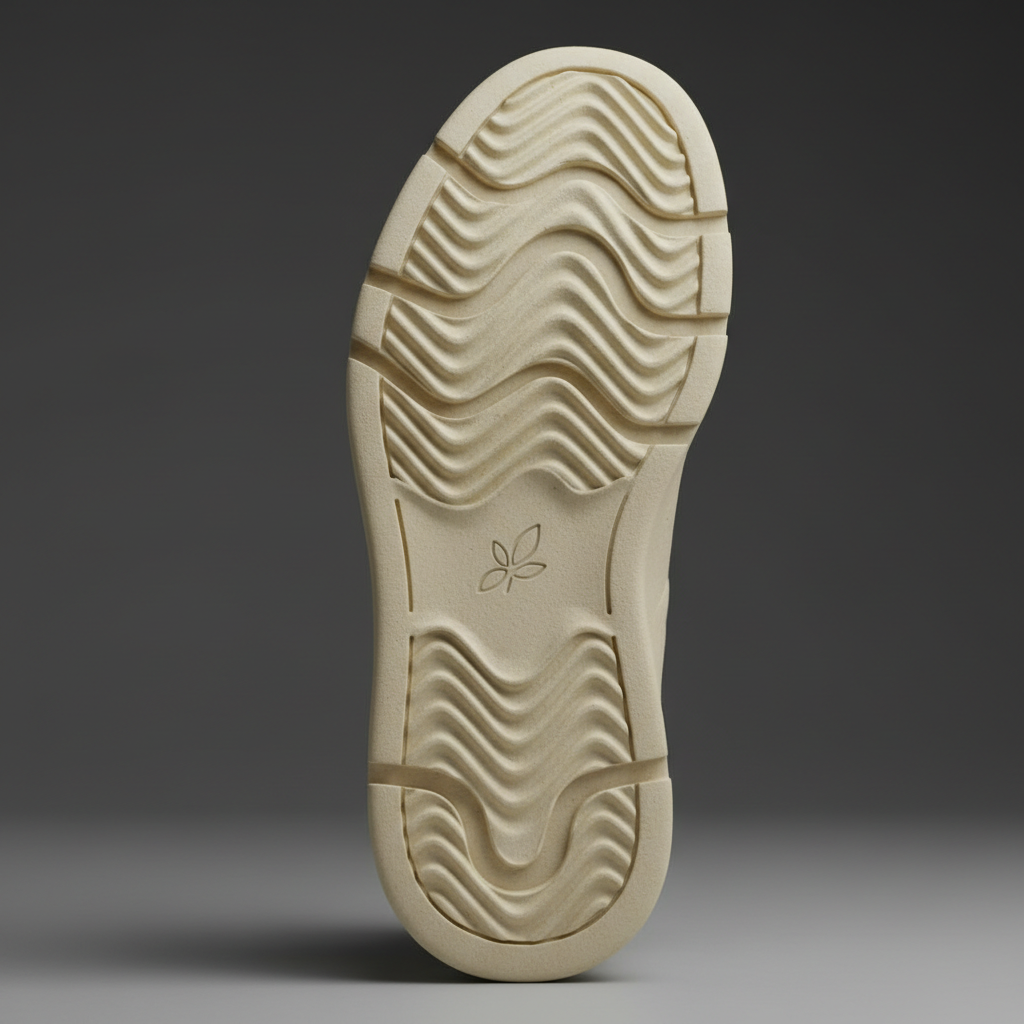
Rubber soles provide traction and durability, commonly used in various sneaker designs. Cleaning is essential to maintain grip and prevent the buildup of dirt and grime that could affect performance.
How to Clean
1. Brush off loose dirt with a stiff-bristled brush. 2. Mix equal parts water and vinegar or use a dedicated rubber cleaner. 3. Scrub the soles with a brush. 4. Wipe with a damp cloth to remove any residue. 5. Allow to air dry.
What to Avoid
Avoid using harsh chemicals that can degrade rubber. Do not expose rubber soles to extreme heat, as this may cause them to warp or crack. Avoid using a metal scrubber, as this can scratch the surface.
Storage & Care
Store in a cool, dry place. Keep away from direct heat sources to avoid warping. To maintain traction, regularly clean the soles and check for wear.
Source: Compiled from footwear care and authentication industry references
General
These general habits apply to every sneaker regardless of material — simple routines after wear, at storage, and day-to-day that keep the whole collection in top condition.
How to Clean
Give a quick wipe-down with a soft damp cloth after each wear to stop dirt settling in. Dry shoes completely before storing — trapped moisture causes mould, odour, and material damage. Apply a spray-on protectant or waterproofing treatment before the first wear on new pairs.
What to Avoid
Avoid wearing prized or collectible pairs in bad weather. Don't reach for the same pair every day — rotating the collection lets each shoe rest, air out, and recover its shape.
Storage & Care
Use silica gel packets or a dehumidifier in humid storage spots. Keep pairs in the original box or a clear stackable box for dust protection and easy identification. Stuff with acid-free tissue paper inside for long-term storage to maintain shape without risk of dye transfer.
Source: Jason Markk / Crep Protect care guides
All shoe images, facts, and explanations on KickLedger are AI-generated. Each fact runs through an automated fact-check before publishing and carries a source reference where available, but none has been reviewed by a human authenticator yet — treat this as a helpful starting point, not a final verification. Content is dated to show when it was generated, as facts, brand relationships, and product availability can change over time. Human-reviewed content and real community photos will be added over time.
© KickLedger · V&F Authenticated